Cave of Machpelah

Definition and stakes

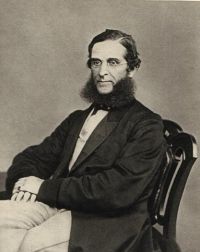
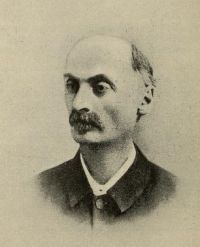
Portrait of A. H. Sayce A. H. Sayce,  Patriarchal Palestine

“ Like the other tombs in its neighbourhood, the cave of Machpelah has doubtless been opened and despoiled at an early epoch. We know that tombs were violated in Egypt long before the days of Abraham, in spite of the penalties with which such {188} acts of sacrilege were visited, and the cupidity of the Canaanite was no less great than that of the Egyptian. The treasures buried with the dead were too potent an attraction, and the robber of the tomb braved for their sake the terrors of both this world and the next. ”
Source: Gutenberg

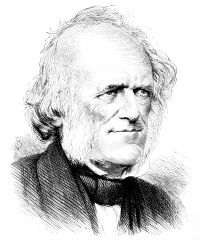
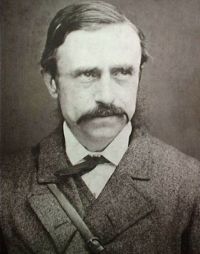
Portrait of William Boyd Dawkins William Boyd Dawkins,  1911 Encyclopædia Britannica, Volume 5… (1911)

“ In Central Africa David Livingstone discovered vast caves in which whole tribes found security with their cattle and household stuff.
The cave of Machpelah may be quoted as an example of their use as sepulchres, and the rock-hewn tombs of Palestine and of Egypt and the Catacombs of Rome probably owe their existence to the ancient practice of burial in natural hollows in the rock. We might therefore expect to find in them most important evidence as to the ancient history of mankind, which would reach long beyond written record
”
Source: Wikisource

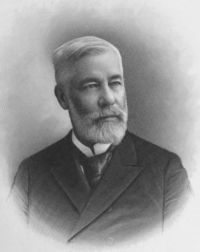
Samuel Manning,  "Those Holy Fields." Palestine…

“ There is, however, no reason to doubt the authenticity of the tradition which fixes upon this as the sepulchre of the patriarch. The deep alluvial soil would not allow of the interment being in a rock-hewn grave; but if the coffin were of granite or alabaster, like those of Egyptian magnates, it might yet be recovered if excavation were permitted. We have, however, already seen, when speaking of the cave of Machpelah, that the Mohammedans assert that the body was removed from its original place of sepulture and placed with those of the other patriarchs at Hebron. ”
Source: Gutenberg

Get perspective with Kwize: daily news enlightened by great literature