Stalagmite

Definition and stakes

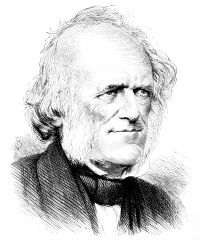
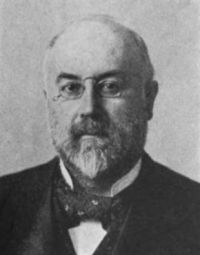
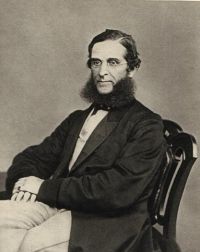
Portrait of William Boyd Dawkins William Boyd Dawkins,  Cave Hunting

“ The layers, for instance, in Kent’s Hole, which are generally believed to have demanded a considerable lapse of time, may possibly have been formed at the rate of a quarter of an inch per annum, and the human bones which lie buried under the stalagmite in the cave of Bruniquel, are not for that reason to be taken to be of vast antiquity. It may be fairly concluded, that the thickness of layers of stalagmite cannot be used as an argument in support of the remote age of the strata41 below. At the rate of a quarter of an inch per annum, twenty feet of stalagmite might be formed in 1,000 years. ”
Source: Gutenberg

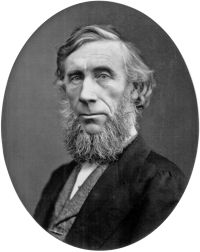
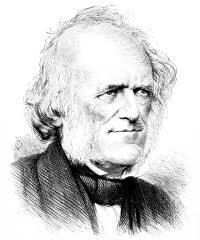
Portrait of John Evans John Evans,  The Ancient Stone Implements, Weapons… (1897)

“ The black band, which in part of the cave lay beneath the stalagmite, and contained numerous pieces of charcoal, seems to indicate some more continuous occupancy of the cave by man, than at the time when the red earth was accumulating. Then comes the stalagmite, in which but few remains whether human or otherwise have been found, and these for the most part may have fallen in from higher levels. ”
Source: Wikisource

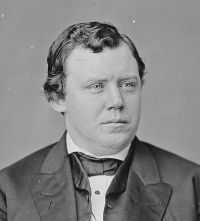
Samuel Cook,  The Jenolan Caves: An Excursion in Australian Wonderland

“ Some of the columns which support the archway have tier upon tier of stalactites, drooping so as to counterfeit water flowing from a fountain, alternating with stalactite formation like boughs of weeping willow. One prominent stalagmite is like the back of a newly-shorn sheep, with shear-marks in the wool. On the western side is a figure like that of an orator in the act of exhortation. The forehead is bald, long white locks are flowing on to the shoulders, one arm is upraised, and the pose gives an idea of earnestness and force. ”
Source: Gutenberg

Get perspective with Kwize: daily news enlightened by great literature