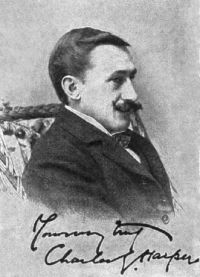
“ There is no need, it may be presumed, to instruct the reader in the two things for which Cheddar is deservedly famous—its cheese and cliffs. Time was, and that until quite recent years, when the tourist who by some strange chance knew nothing of Cheddar cheese might proceed through the picturesque village without a glimpse of its staple product. So modest was Cheddar that no one would deduce or suspect a cheese in the entire district. But nowadays—these being days of strenuous publicity—shops that do nothing else but sell cheeses are a feature of the place. ”
Cheddar
Definition and stakes
Cheddar, a village in Somerset famous for its iconic cheese and striking cliffs, has inspired a wide range of literary works. Authors such as Charles G. Harper emphasize the cheese's cultural significance and its changing role in commerce, while historical entries in Encyclopaedia Britannica detail its medieval charters and market customs.
Moyle Sherer places Cheddar in the context of 17th-century civil strife, and Bob Brown examines the cheese's adaptability in cooking, contrasting mass-produced versions with its artisan origins. Together, these viewpoints highlight Cheddar’s dual identity as both a notable geographical feature and a representation of agricultural tradition, interwoven through historical, culinary, and narrative legacies.
Quotes about “Cheddar”
Various, Encyclopaedia Britannica, 11th Edition…
“ By a charter of 1231 extensive liberties in the manor of Cheddar were granted to Bishop Joceline, who by a charter of 1235 obtained the right to hold a weekly market and fair. By a charter of Edward III. (1337) Cheddar was removed from the king’s forest of Mendip. The market was discontinued about 1690. Fairs are now held on the 4th of May and the 29th of October under the original grants. The name of Cheddar is given to a well-known species of cheese (see Dairy) , the manufacture of which began in the 17th century in the town and neighbourhood. ”
Moyle Sherer, The Broken Font: A Story of the Civil War…
“ The affliction of the good parson of Cheddar at the strange and painful conduct of his son Cuthbert was heavy to bear. However, from a sense of duty to his weaker partner, he made great efforts to preserve his wonted serenity and composure in her presence; but when alone he was bowed down in the dust.Nothing could possibly present a greater contrast to the tone of religious profession which was, at this period, obtaining a wide reception among men than that in which old Noble lay prostrate in his closet before his God. ”