Christian mysticism

Definition and stakes

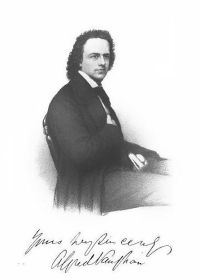
Portrait of Evelyn Underhill Evelyn Underhill,  The essentials of mysticism (1920)

“ It is true that right through the history of Christian mysticism there has been a line of insurgent mystics who have made this refusal; whose direct vision of spiritual perfection has brought with it so overwhelming a sense of the imperfection, formalism, unreality, the dreadfulness of religious institutions, that it has forced them into a position of more or less acute revolt from the official church. So clear has been their own consciousness of the spiritual world that the soul’s life and growth, its actual and individual rebirth, have shone out for them as the only things that matter. ”
Source: Gutenberg

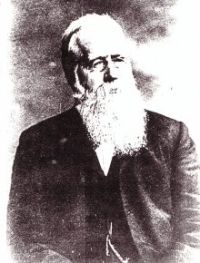
Portrait of Julian of Norwich Julian of Norwich,  Revelations of Divine Love (1907)

“ Mysticism arises when we try to bring this higher consciousness into relation with the other contents of our minds. Religious Mysticism may be defined as the attempt to realise the presence of the living God in the soul and in nature, or, more generally, as the attempt to realise in thought and feeling, the immanence of the temporal in the eternal, and of the eternal in the temporal."—W. R. Inge, Christian Mysticism. ”
Source: Wikisource

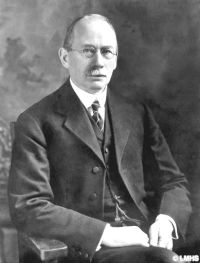
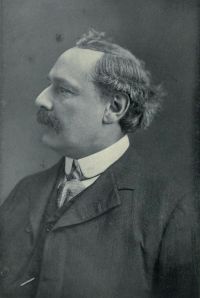
Portrait of William Ralph Inge William Ralph Inge,  Christian Mysticism

“ If the Christian has learnt how Christ alone has lifted him above all that he had even been before, he cannot believe that another man might reach the same end by simply turning inward upon himself." "The piety of the mystic is such that at the highest point to which it leads Christ must vanish from the soul along with all else that is external." ”
Source: Gutenberg

Get perspective with Kwize: daily news enlightened by great literature