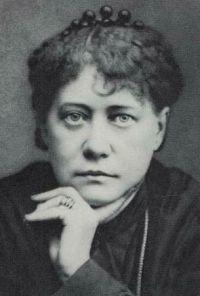
Theosophy, a 19th-century spiritual and philosophical movement established by Helena Blavatsky, combines elements from Neoplatonism, Hinduism, Buddhism, and Western esotericism, proposing a monist universe ruled by a divine Absolute and stressing reincarnation, karma, and universal brotherhood. Blavatsky’s works, such as The Secret Doctrine, presented Theosophy as a revival of an ancient, universal faith, guided by concealed spiritual masters known as the Masters.
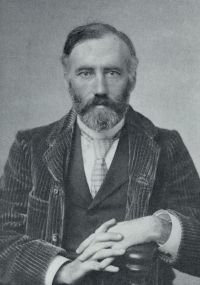
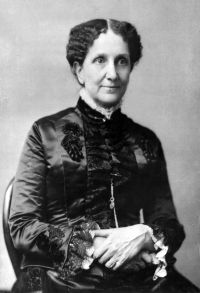
While academics categorize it as a new religious movement and a form of occultism, followers frequently regard it as a non-dogmatic framework connecting science, philosophy, and spirituality. Writers like William Quan Judge underscored its role as a "scientific religion," Charles Webster Leadbeater emphasized its clarity in explaining life’s mysteries, and Annie Besant associated it with modern psychology and hidden dimensions. Theosophy’s diverse blending of Eastern and Western ideas, combined with its focus on spiritual liberation, highlights its lasting impact on esoteric traditions and global spirituality.
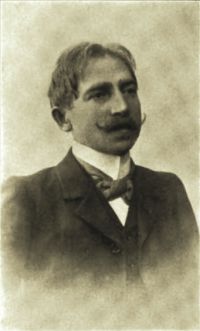
 George William Russell,
AE in the Irish Theosophist
George William Russell,
AE in the Irish Theosophist