Clytemnestra

Definition and stakes

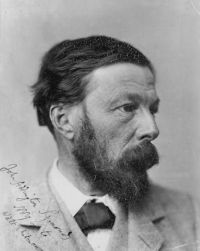
Portrait of John Addington Symonds John Addington Symonds,  Studies of the Greek Poets (Vol 1 of 2…

“ The solidity of Clytemnestra's character is impressed upon us with a force and a reality of presentation that have never been surpassed. She maintains the same aplomb, the same cold glittering energy of speech, the same presence of mind and unswerving firmness of nerve, whether she bandies words of bitter irony with the Chorus, or ceremoniously receives the king, or curls the lip of scorn at Cassandra, or defies the Argives after Agamemnon's death. She loves power, and despises show. ”
Source: Gutenberg

T. W. Lumb,  Authors of Greece

“ Clytemnestra prays to Apollo to avert the omen of her dream, her prayer seemingly being answered immediately by the entry of the old tutor who comes to inform her of the death of Orestes, killed at Delphi in a chariot race which he brilliantly describes. Torn by her emotions, Clytemnestra can be neither glad nor sorry.
"Shall I call this happy news, or dreadful but profitable? Hapless am I, if I save my life at the cost of my own miseries. Strong is the tie of motherhood; no parent hates a child even if outraged by him. Yet, now that he is gone, I shall have rest and peace from his threats."
”
Source: Gutenberg

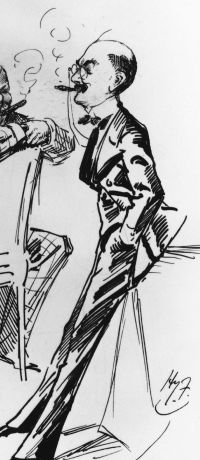
Portrait of F. Anstey F. Anstey,  The Black Poodle, and Other Tales

“ No, I did but wrong ye ... a tear trembles on that eyelash, a smile flickers upon that lip! I am pardoned. Clytemnestra—wife, embrace me ... we both have much to forgive!'
This speech (which was not unlike some he had heard in thrilling dramas at the 'Hæmabronteion,' Corinth, where the prophetess Cassandra had been greatly admired in her impersonations of persecuted and distracted heroines) touched Clytemnestra's heart, in which, hard as it was, there was a strain of sentiment—and she fell sobbing into her husband's arms.
”
Source: Gutenberg

Get perspective with Kwize: daily news enlightened by great literature