Council of the Indies

Definition and stakes

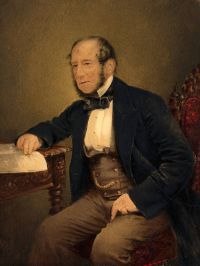
Brantz Mayer Mexico, Aztec, Spanish and Republican (1852)

The bungling, blind, and often corrupt legislation of the Council of the Indies soon filled its records with masses of contradictory and useless laws, so that although there were many beneficent acts, designed especially for the comfort of the Indians, the administration of so confused a system became almost incompatible with justice. If the source of law was vicious its administration was not less impure.
Source: Wikisource

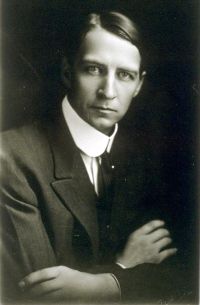
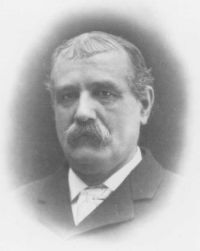
Portrait of Herbert Eugene Bolton Herbert Eugene Bolton The Colonization of North America…

The Council of the Indies.—Spanish America was a possession of the sovereigns of Castile, as heirs of Queen Isabella, under whose patronage America had been discovered. At first, legislative and political matters relating to the Indies had been considered by the sovereigns in consultation with Fonseca and other personal advisors, but to supervise these matters a new board was gradually formed. In 1517 it was formally organized, among the members being Fonseca and Peter Martyr, the historian. In 1524 the board was reorganized as the Council of the Indies.
Source: Gutenberg

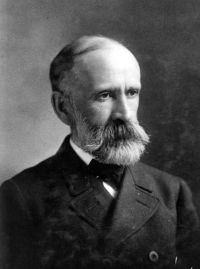
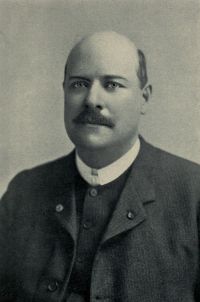
Portrait of Hubert Howe Bancroft Hubert Howe Bancroft History of Central America, Volume 1…

The council was commanded to have for its chief care the conversion and good treatment of the Indians. The laws made by the Council for the Indies should conform as nearly as possible to the existing laws of Spain. In selecting ecclesiastics and civil officers for the Indies, the greatest care should be exercised that none but good men were sent, and their final nomination must rest with the king.
Source: Gutenberg

Get perspective with Kwize: daily news enlightened by great literature