Dakota Territory

Definition and stakes

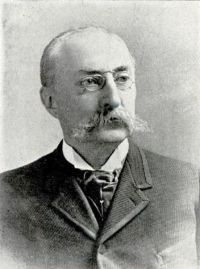
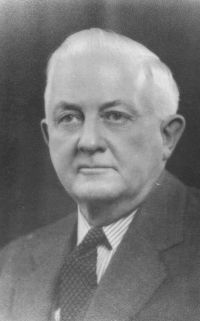
Portrait of Doane Robinson Doane Robinson,  A Brief History of South Dakota (1905)

“ The Democratic leaders declared for admission of Dakota territory as a whole, and the federal government used its influence to oppose the division movement in Dakota; therefore, a considerable party grew up in Dakota in opposition to division, but at every test the people pronounced strongly for two states. The population of Dakota was increasing rapidly, there were nearly six hundred thousand white citizens in the territory, and, under the territorial form of government, they were denied many of the privileges of citizenship. ”
Source: Wikisource

Federal Writers' Project of the Works Progress Administration for the State of North Dakota,  North Dakota: A Guide to the Northern Prairie State

“ Dakota Territory extended from the Canadian border to the Forty-third Parallel, and from Minnesota and Iowa to the main ridge of the Rockies. When Wyoming Territory was created in 1868 the present western boundary of the Dakotas was fixed, and the southern boundary of the Territory was settled in 1882. In the general election of 1887 residents voted that the Seventh Standard Parallel divide Dakota Territory into two States. ”
Source: Gutenberg

The New Student's Reference Work (1914)

“ In 1849 North Dakota east of the Missouri became part of Minnesota for a time, and the area west of the river was made a part of Nebraska Territory. In 1851 to the Federal government was ceded part of the lands held by the Sioux Indians, and these lands were thrown open for settlement. In 1861 Dakota Territory was created, part of Montana and part of Wyoming being included in it; while two years later, on the creation of Idaho Territory, the Dakotas assumed almost their present area, and in 1889 they were separated, forming North Dakota and South Dakota. ”
Source: Wikisource

Get perspective with Kwize: daily news enlightened by great literature