Dardanians

Definition and stakes

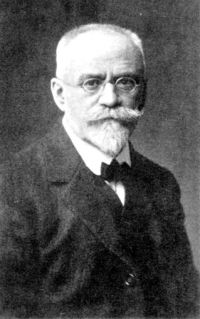
Portrait of G. W. Leitner G. W. Leitner,  Dardistan in 1866, 1886 and 1893

“ Who refers to my “Results of a Tour in Dardistan, Kashmir, Little Tibet, Ladak, etc., in 1867-70,” and other papers in his pamphlet on the origin of that legend.
[7] “Dardistan,” or the country of the Daradas of Hindu mythology, embraces, in the narrowest sense of the term, the Shiná-speaking countries (Gilgit, &c.) ; in a wider sense, Hunza, Nagyr, Yasin, and Chitrál; and in the widest, also parts of Kafiristan. (See my “Dardistan,” part III.)
[8] “Yatsh” means “bad” in Kashmiri.
”
Source: Gutenberg

Portrait of G. W. Leitner G. W. Leitner,  Dardistan in 1866, 1886 and 1893

“ Whether you get to the ancient Robber’s Seat of Hunza, where the right of plundering is hereditary, or into the recesses of Kafiristan or the fastnesses of Pakhtu settlers; whether you proceed to the republics of Darel, Tangir or Chilás, or proceed to the community where women are sometimes at the head of affairs, and which is neither worse nor better than others, an amount of information, especially ethnographic, is within one’s reach which makes Dardistan a region that would reward a number of explorers. ”
Source: Gutenberg

Portrait of G. W. Leitner G. W. Leitner,  Dardistan in 1866, 1886 and 1893

“ The fairies and prophetesses of Dardistan are silent, the Tham of Hunza no longer brings down rain, the family axes are broken, the genealogists have been destroyed, and the sacred drum is heard no longer. The quaint computations of age, of months, seasons, years and half-years, and the strange observations of shadows thrown at various times are dying out or are already dead. ”
Source: Gutenberg

Get perspective with Kwize: daily news enlightened by great literature