Dhammapada

Definition and stakes

The Buddha's Path of Virtue: A Translation of the Dhammapada

“ It is these ideals of self-control, self-culture and heroic endeavour, the graces of wisdom, purity and love, the eternal law of Karma, or causality and moral retribution—under which every deed, good or bad, comes back most to the doer and yields fruit, helping or marring his progress—that are enshrined in the Dhammapada in luminous, pithy verse which lingers in the memory as a fountain of noble inspiration. They are almost too ethereal for human nature's daily food, and it is granted to few to realise in actual life these counsels of perfection unaided. ”

Source: Gutenberg

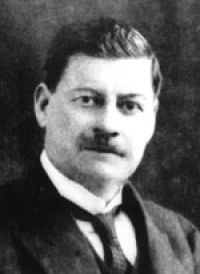
Portrait of Paul Carus Paul Carus,  The Gospel of Buddha, Compiled from Ancient Records

“ THE TEACHER. XLVIII. THE DHAMMAPADA. This is the Dhammapada, the path of religion pursued by those who are followers of the Buddha: 1
Creatures from mind their character derive; mind-marshalled are they, mind-made. Mind is the source either of bliss or of corruption. 2
By oneself evil is done; by oneself one suffers; by oneself evil is left undone; by oneself one is purified. Purity and impurity belong to oneself, no one can purify another. 3 You yourself must make an effort. The Tathāgatas are only preachers. The thoughtful who enter the way are freed from the bondage of Māra.
”
Source: Gutenberg

The Buddha's Path of Virtue: A Translation of the Dhammapada

“ The Dhammapada is a part of the Khuddaka Nikāya of the Buddhistic Canon and consists of about 420 stanzas in the sloka metre. Every fully ordained bhikkhu [1] is expected to know the book by heart, and its verses are often on the lips of pious laymen. The beginner of Buddhist studies can have no better introduction to Buddhism and must go back to it again and again to enter into the spirit of Buddha and his apostles. ”
Source: Gutenberg

Get perspective with Kwize: daily news enlightened by great literature