Diamante

Definition and stakes

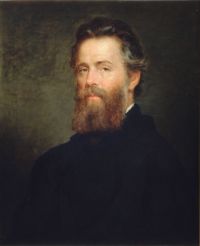
Portrait of William Cullen Bryant William Cullen Bryant,  Poems by William Cullen Bryant

“ FATIMA AND RADUAN.° FROM THE SPANISH. Diamante falso y fingido,
Engastado en pedernal, &c.
"False diamond set in flint! the caverns of the mine
Are warmer than the breast that holds that faithless heart of thine;
Thou art fickle as the sea, thou art wandering as the wind,
And the restless ever-mounting flame is not more hard to bind.
If the tears I shed were tongues, yet all too few would be
To tell of all the treachery that thou hast shown to me.
Oh! I could chide thee sharply—but every maiden knows
That she who chides her lover, forgives him ere he goes.
”
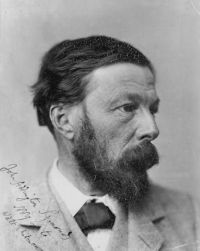
Source: Gutenberg

Giorgio Vasari,  Lives of the Most Excellent Painters… (1850)

“ Fra Filippo finished the course of his life in the year 1438, [42] being then fifty-seven years old. He left Filippo his son to the guardianship of Fra Diamante, with whom the child, then ten years old, returned to Florence, and was by liim instructed in the art of painting. Fra Diamante took three hundred ducats with him from Spoleto, which remained to be received from the commune for the work performed there, and with this sum he purchased a certain property for himself, appropriating but little of it to the child. ”
Source: Wikisource

1911 Encyclopædia Britannica, Volume 8… (1911)

“ Like many other Spanish dramatists of his time, Diamante is deficient in originality, and his style is riddled with affectations; La Desgraciada Raquel, which was long considered to be his best play, is really Mira de Amescua’s Judía de Toledo under another title; and the earliest of Diamante’s surviving pieces, El Honrador de su padre (1658) , is little more than a free translation of Corneille’s Cid. Diamante is historically interesting as the introducer of French dramatic methods into Spain. ”
Source: Wikisource

Get perspective with Kwize: daily news enlightened by great literature