Eastern Roman Empire

Definition and stakes

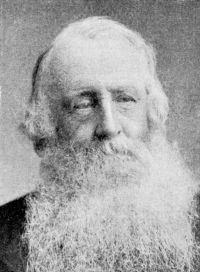
Portrait of Edward A. Freeman Edward A. Freeman,  The Chief Periods of European History

“ Yet a certain pre-eminence came by a kind of natural selection to the Emperors who reigned in the Eastern seat of Empire. In the days of transition, the true middle ages, the days when Roman and Teuton stood side by side, ready to be fused, but not yet fused, into the compound being of the modern world, every cause, every accident, tended in every way to make the Eastern Rome the truest and most abiding representative, not indeed of Rome’s moral influence, but of Rome’s abiding power. ”
Source: Gutenberg

Portrait of Edward A. Freeman Edward A. Freeman,  The Historical Geography of Europe…

“ We will therefore first trace the geographical changes in the frontier of the Empire itself down to the Latin Conquest. ♦1204-1453.♦ The Latin Empire of Romania, the Greek Empire of Nikaia, the revived Greek Empire of Constantinople, will follow, as continuing, at least geographically, the true Eastern Roman Empire. Then will come the powers which have fallen off from the Empire or grown up within the Empire, from Sicily to free Bulgaria. ”
Source: Gutenberg

Portrait of Scott Nearing Scott Nearing,  Civilization and Beyond: Learning from History

“ The vast structure of Roman civilization had split West from East. The Eastern Empire retained its form and continued its culture for centuries after its break with the West. Meanwhile the West fragmented into smaller and smaller units, increasingly self-contained and increasingly isolated. Cities raised and manned their own walls. The countryside broke up into smaller and smaller divisions over which the Holy Roman Empire exercised little more than a shadowy authority. ”
Source: Gutenberg

Get perspective with Kwize: daily news enlightened by great literature