Egbert of Wessex

Definition and stakes

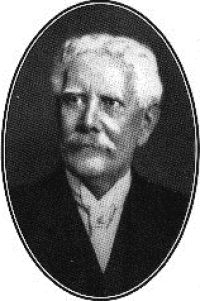
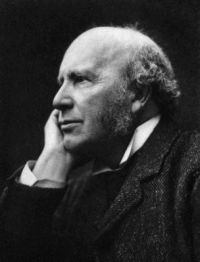
Portrait of Thomas Hodgkin Thomas Hodgkin The history of England, from the earliest times to the Norman Conquest (1906)

After Athelstan’s death in 940 there was scarcely any serious thought of reestablishing Mercia or Northumbria as a separate kingdom from Wessex. Hard and cruel were the blows stricken by the hammer of Thor, but they had the effect of welding Angles, Saxons and Jutes into one people.
The upward career of Egbert of Wessex (802–839) must now be briefly described. As has been said, he returned from exile on the death of his foe, Beorhtric, and apparently without a contest was raised to the West Saxon throne.
Source: Gutenberg

Portrait of Thomas Hodgkin Thomas Hodgkin The history of England, from the earliest times to the Norman Conquest (1906)

Both Ealdormen were slain, but victory is said to have rested with the men of Wiltshire. With this exception, the first thirteen years of Egbert’s reign passed in peace. Cenwulf of Mercia, whose dominions, including, as they did, Kent, Sussex, Surrey and Essex, wrapped Wessex all round to the east, was too powerful to be lightly assailed. When Egbert’s old patron, Charlemagne, died in 814, there was nothing to betoken that the exile whom he had befriended would achieve anything more than a petty and precarious West Saxon royalty.
Source: Gutenberg

Portrait of Gilbert Abbott À Beckett Gilbert Abbott À Beckett The Comic History of England

It was Egbert, king of Wessex, who, in the year 723, had the art to seat himself on all the seven thrones at once; an achievement which, considering the ordinary fate of one who attempts to preserve his balance upon two stools, has fairly earned the admiration of posterity.
Let us now take a skip into Northumberland—formed by Ethelred in the manner we have already alluded to, out of the two kingdoms of Deiri and Bemicia—which, though not enough for two, constituted for one a very respectable sovereignty.
Source: Gutenberg

Get perspective with Kwize: daily news enlightened by great literature