Egyptian religion

Definition and stakes

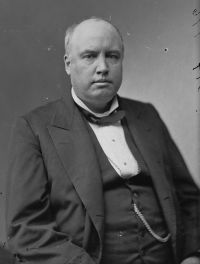
Portrait of A. H. Sayce A. H. Sayce,  The Religions of Ancient Egypt and Babylonia

“ Who could have supposed that their religion inculcated a belief not only in the immortality of the soul or spirit, but in the resurrection of the body as well; and that they painted the fields of the blessed to which they looked forward after death as a happier and a sunnier Egypt, a land of light and gladness, of feasting and joy? We cannot judge what Egyptian religion was like merely from the writings of some of its literary men, or build upon them elaborate theories as to what priest and layman believed. ”
Source: Gutenberg

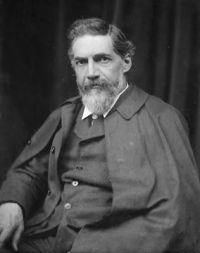
Portrait of Andrew Lang Andrew Lang,  Myth, Ritual And Religion, Vol…

“ It is impossible here to do more than indicate the kind of modification which Egyptian religion underwent. Throughout it remained constant in certain features, namely, the local character of its gods, their usefulness to the dead (their Chthonian aspect) , their tendency to be merged into the sun, Ra, the great type and symbol and source of life, and, finally, their inability to shake off the fur and feathers of the beasts, the earliest form of their own development. Thus life, death, sky, sun, bird, beast and man are all blended in the religious conceptions of Egypt. ”
Source: Gutenberg

Delphian Society,  The World's Progress, Vol. 01…

“ We hear much about the absurd and corrupt side of the Egyptian religion, but few have taken the trouble to acquaint themselves with its brighter side. Our ideas on the subject have been determined largely by the writings of the Greeks and Romans who knew only the last decadent period of Egyptian history. The decipherment of the hieroglyphs has enabled us to study the contemporary documents and inscriptions, and as a result the religious ideas developed by the Egyptians have not only aroused our deepest interest, but are commanding our admiration. ”
Source: Gutenberg

Get perspective with Kwize: daily news enlightened by great literature