Elizabethan theatre

Definition and stakes

E. K. Chambers,  The Elizabethan Stage, Vol. 3 (1923)

“ For the moment we are only concerned with the sixteenth century. A glance back over my footnotes will show many examples in which action is said to be ‘above’ or ‘aloft’, or is accompanied by the ascent or descent of personages from or to the level of the main stage. This interplay of different levels is indeed the outstanding characteristic of the Elizabethan public theatre, as compared with the other systems of stage-presentment to which it stands in relation. ”
Source: Gutenberg

Margaret Bertha Synge,  A Short History of Social Life in England (1906)

“ But all these amusements pale before the growing delight of play-going. To the allegorical morality play—revived to-day by the Elizabethan Stage Society in the representation of "Everyman"—succeeded historical representations, at first crude, but carried to a triumphant height by Shakspere. When Elizabeth ascended the throne there was no theatre: miscellaneous plays were acted in the courtyards of great inns or other open spaces, on temporary stages standing on four legs and protected by an awning in bad weather. But in 1576 a regular playhouse was established and called The Theatre. ”
Source: Wikisource

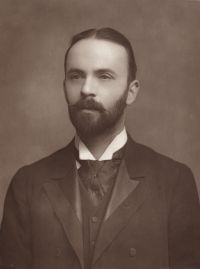
Portrait of William Poel William Poel,  Shakespeare in the Theatre

“ This is because the spirit and the intellect of Elizabethan times are wanting. These qualities do not appear in modern actors nor in their productions. There is nothing to be seen but the restlessness of our own stage-methods, which no more fit the Elizabethan stage [Pg 216] than would the Elizabethan methods fit the modern stage. In another of the excerpts given at Earl’s Court, which is entitled the “Enchantment of Titania,” the costumes, business, and action of the proscenium stage are wholly reproduced on the open platform. ”
Source: Gutenberg

Get perspective with Kwize: daily news enlightened by great literature