Erichthonius

Definition and stakes

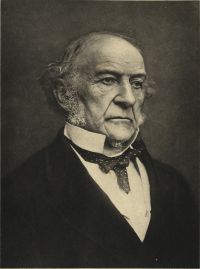
Portrait of George Grote George Grote History of Greece, Volume 01 (of 12…

Erichthonius, the pupil and favored companion of Athênê, placed in the acropolis the original Palladium or wooden statue of that goddess, said to have dropped from heaven: he was moreover the first to celebrate the festival of the Panathenæa. He married the nymph Pasithea, and had for his son and successor Pandiôn. [465] Erichthonius was the first person who taught the art of breaking in horses to the yoke, and who drove a chariot and four.
Source: Gutenberg

Portrait of Homer Homer The Iliad (Butler) — Book XX (1898)

Dardanus had a son, king Erichthonius, who was wealthiest of all men living; he had three thousand mares that fed by the water-meadows, they and their foals with them. Boreas was enamoured of them as they were feeding, and covered them in the semblance of a dark-maned stallion.
Source: Wikisource

Various Encyclopaedia Britannica, 11th Edition…

B. Powell in Cornell Studies, xvii. (1906) , who identifies Erechtheus, Erichthonius, Poseidon and Cecrops, all denoting the sacred serpent of Athena, whose cult she first contested, but then amalgamated with her own. The birth of Erichthonius (as a corn-spirit) is interpreted by Mannhardt as a mythical way of describing the growth of the corn, and by J.E. Harrison (Myths and Monuments of Ancient Athens, xxvii.-xxxvi.) as a fiction to explain the ceremony performed by the two maidens called Arrephori. See also Farnell, Cults of the Greek States, i. 270
Source: Gutenberg

Get perspective with Kwize: daily news enlightened by great literature