Festival of the Dead

Definition and stakes

F. Hadland Davis Myths & Legends of Japan

The Festival of the Dead could only have originated among a people to whom the beautiful is the mainstay and joy of life, for that festival is nothing less than a call to the departed dead to return to their old earthly haunts in the summer-time, to cross green hills dotted with pine-trees, to wander down winding ways, by lake and seashore, to linger in old, well-loved gardens, and to pass into homes where, without being seen, they see so much.
Source: Gutenberg

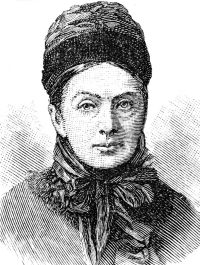
Portrait of Eliza Ruhamah Scidmore Eliza Ruhamah Scidmore Jinrikisha Days in Japan (1891)

In the cemeteries the bamboo sticks at each gravestone are daily filled with fresh flowers, and on the night of their return the spirits are guided to their resting-places by the light of lanterns and oil-tapers burning throughout these cities of their silent habitation. This beautiful custom, sanctified by the observance of many centuries, is tinged with little sadness, and the last night of the Festival of the Dead is the great Festival of Lanterns, the most brilliant of the long, gay, fantastic Kioto summer.
Source: Wikisource

Cyrus Thomas Burial Mounds of the Northern Sections of the United States

There is generally only one festival in each nation. All the bodies are placed in the same grave. I say generally, for this year when the fête des Morts took place the kettle-boiling was divided and five villages at this point where we are stationed made a separate band and placed their dead in a separate grave. He who had been captain of the preceding feast, and who is like the chief at this point, made the excuse that his kettle and his feast had been spoiled and that he was obliged to make another.
Source: Gutenberg

Get perspective with Kwize: daily news enlightened by great literature