François de Sully

Definition and stakes

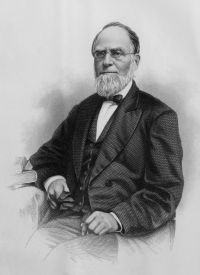
Portrait of Carlton Joseph Huntley Hayes Carlton Joseph Huntley Hayes 1911 Encyclopædia Britannica, Volume 26… (1911)

SULLY, MAXIMILIEN DE BÉTHUNE, Duc de (1560–1641) , French statesman, was born at the château of Rosny near Mantes, on the 13th of December 1560, of a noble family of Flemish descent. His father, François de Béthune, baron de Rosny, (1532–1575) , was the son of Jean de Béthune, to whom in 1529 his wife Anne de Melun brought as part of her dowry a seigneurie at Rosny-sur-Seine, which later (1601) was made a marquisate. Brought up in the Reformed faith, Maximilien was presented to Henry of Navarre in 1571 and was thenceforth attached to the future king of France.
Source: Wikisource

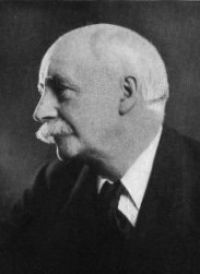
Portrait of François Guizot François Guizot A Popular History of France from the Earliest Times…

The men complained, saying, “Sir, the sum we ought to have for our attendance at the baptism of children of France has for a long while been fixed.” “Away, away!” said Sully, in a rage; “I’ll do nothing of the sort; there are no children of France.” And he told the king about it, who said, “There’s malice in that, but I will certainly stop it; tear up that order.” And turning to some of his courtiers, “See the tricks that people play, and the traps they lay for those who serve me well and after my own heart.
Source: Gutenberg

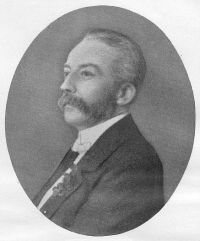
Portrait of François Guizot François Guizot A Popular History of France from the Earliest Times…

Go to her, my friend,” he said to Rosny; “tell her what has taken place; satisfy her in so far as you can. If that is not sufficient, I will speak like the master, and not like the man.” Sully went to the cloister of St. Germain, where the Duchess of Beaufort was lodged, and told her that he came by the king’s command to inform her of what was going on. “I am aware of all,” said Gabrielle, “and do not care to know any more; I am not made as the king is, whom you persuade that black is white.”
Source: Gutenberg

Get perspective with Kwize: daily news enlightened by great literature