Freemason

Definition and stakes

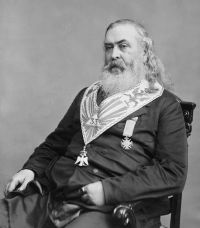
Portrait of Albert Pike Albert Pike,  Morals and Dogma of the Ancient and Accepted Scottish Rite of Freemasonry

“ A Freemason, therefore, should be a man of honor and of conscience, preferring his duty to everything beside, even to his life; independent in his opinions, and of good morals; submissive to the laws, devoted to humanity, to his country, to his family; kind and indulgent to his brethren, friend of all virtuous men, and ready to assist his fellows by all means in his power. ”
Source: Gutenberg

Various,  The Catholic World, Vol. 20, October 1874‐March 1875

“ If the end of the institution [pg 724] is the perfection of mankind, it is indispensable that the Freemason should practise true morality, which supposes the knowledge and practice of the duties and rights of man. He ought, accordingly, to be upright, humane, sincere, beneficent to every sort of persons, and, above all, a good father, a good son, a good brother, a good husband, and a good citizen. A Freemason must be a citizen in full enjoyment of his civil rights, of acknowledged probity, and of at least ordinary intelligence. No one is admitted who has not the age required by the statutes. ”
Source: Gutenberg

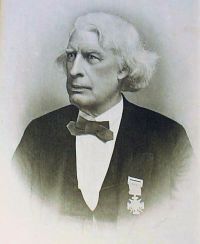
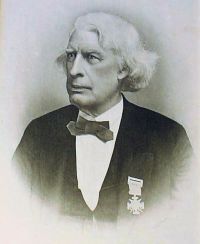
Portrait of Albert Gallatin Mackey Albert Gallatin Mackey,  The Symbolism of Freemasonry

“ All its mysteries and its dogmas, which constitute its philosophy, are intrusted for communication to the neophyte, sometimes to one, sometimes to the other of these two methods of instruction, and sometimes to both of them combined. The Freemason has no way of reaching any of the esoteric teachings of the Order except through the medium of a legend or a symbol.
A legend differs from an historical narrative only in this—that it is without documentary evidence of authenticity. It is the offspring solely of tradition.
”
Source: Gutenberg

Get perspective with Kwize: daily news enlightened by great literature