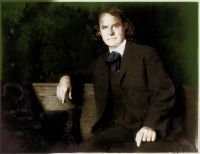
Glinda the Good, a recurring figure in literature, embodies the archetype of the benevolent enchantress, harnessing magical power to uphold justice and moral order. L. Frank Baum’s The Wonderful Wizard of Oz and Glinda of Oz portray her as a wise, otherworldly figure who restores balance through sorcery, as seen in her fair distribution of intellect among the Mountaineers.
Other authors, such as Charlotte Perkins Gilman, endow her with symbolic resonance, connecting her to universal virtues of compassion and inner strength. Meanwhile, works like The Laughing Cavalier by Baroness Emmuska Orczy explore parallels in character dynamics, though within distinct narrative contexts. Across these varied depictions, Glinda consistently serves as a beacon of ethical authority, bridging the literal and allegorical realms of storytelling.
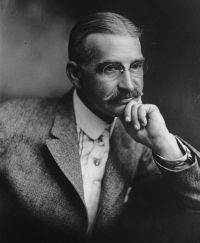 L. Frank Baum,
Glinda of Oz — Chapter 21: The Three Adepts
(1920)
L. Frank Baum,
Glinda of Oz — Chapter 21: The Three Adepts
(1920)