Gulf of Aqaba

Definition and stakes

United States. Central Intelligence Agency CIA World Fact Book, 2004 — Jordan (2004)

Biodiversity, Climate Change, Climate Change-Kyoto Protocol, Desertification, Endangered Species, Hazardous Wastes, Law of the Sea, Marine Dumping, Ozone Layer Protection, Wetlands
signed, but not ratified: none of the selected agreements Geography - note: strategic location at the head of the Gulf of Aqaba and as the Arab country that shares the longest border with Israel and the occupied West Bank
People Jordan Population: 5,611,202 (July 2004 est.)
Source: Wikisource

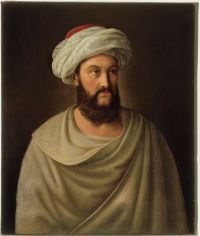
Portrait of Richard Francis Burton Richard Francis Burton The Land of Midian — Cruise from Maknáto El-‘Akabah

About “Wásit” the date-palms are scattered, and the large sand-drifts ever threaten to bury them alive. Behind it yawns the great gash, “Wady Watír,” which shows its grand lines even from the opposite side of the gulf: this is the route by which Christian pilgrims from Syria make the Sinai monastery, rounding on camels the northern end of El-‘Akabah. The main valley receives from the north the Wady el-‘Ayn, which can be reached in half a day. From the south, distant one whole march, comes the Wady el-Hazrah.
Source: Wikisource

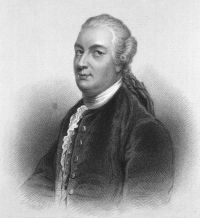
Portrait of James Bruce James Bruce Travels to Discover the Source of the Nile (1790)

The Arabian Gulf, however, or what we call the Red Sea, lies from nearly north-west to south-east, from Suez to Mocha. It then turns nearly east and west till it joins the Indian Ocean at the Straits of Babelmandeb, as we have already said, and may be further seen by consulting the map. Now, the Etesian winds, which are due north in Egypt, here take the direction of the Gulf, and blow in that direction steadily all the season, while it continues north in the valley of Egypt; that is, from April to October the wind blows north-west up the Arabian Gulf towards the Straits
Source: Wikisource

Get perspective with Kwize: daily news enlightened by great literature