Gustave

Definition and stakes

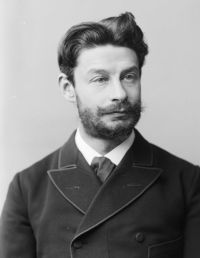
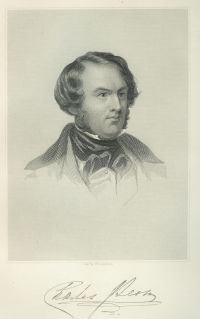
Baron Edward Bulwer Lytton Lytton,  The Parisians — Volume 12

“ Gustave is the fit poet for this generation. Vanity—desire to be known for something, no matter what, no matter by whom—that is the Parisian's leading motive power;—orator, soldier, poet, all alike. Utterers of fine phrases; despising knowledge, and toil, and discipline; railing against the Germans as barbarians, against their generals as traitors; against God for not taking their part. What can be done to weld this mass of hollow bubbles into the solid form of a nation—the nation it affects to be? What generation can be born out of the unmanly race, inebriate with brag and absinthe? ”
Source: Gutenberg

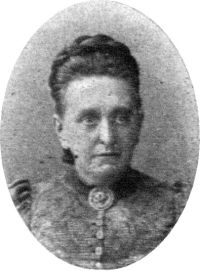
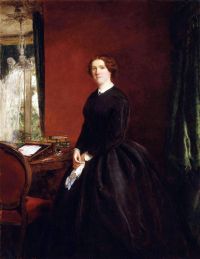
Portrait of M. E. Braddon M. E. Braddon,  Charlotte's Inheritance

“ Gustave loved his parents as only a Frenchman can venture to love his father and mother—with a devotion for the gentleman that bordered on enthusiasm, with a fond reverence for the lady that was the very essence of chivalry. There was a sister, who regarded her brother Gustave as the embodiment of all that is perfect in youthful mankind ”
Source: Gutenberg

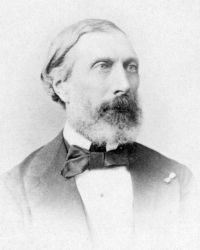
Portrait of Anthony Hope Anthony Hope,  The Indiscretion of the Duchess (1894)

“ Gustave was at this time an extra secretary at the French Embassy in London.
“Leave? Yes, I have leave—and, what is more, I have a charming invitation.”
“My congratulations,” said I.
“An invitation which includes a friend,” he continued, sitting down. “Ah, you smile! You mean that is less interesting?”
“A man may smile and smile, and not be a villain,” said I. “I meant nothing of the sort. I smiled at your exhilaration—nothing more, on the word of a moral Englishman.”
Gustave grimaced; then he waved his cigarette in the air, exclaiming:
“She is charming, my dear Gilbert!”
”
Source: Wikisource

Get perspective with Kwize: daily news enlightened by great literature