Hebrew law

Definition and stakes

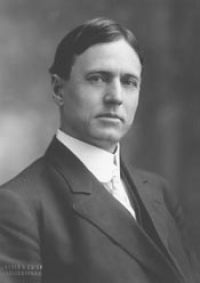
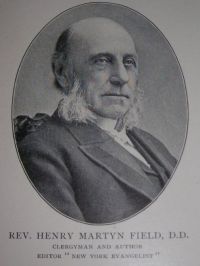
Portrait of Henry Martyn Field Henry Martyn Field,  On the Desert - Recent Events in Egypt (1883)

“ Men were equal because God was their Ruler — a Ruler so high that before Him there was neither great nor small, but all stood on the same level.
But the Hebrew Law did not stop with equality: it inculcated fraternity. A man was not only a man, he was a brother. That Law contains some of the most beautiful provisions ever recorded in any legislation, not only for the cold administration of justice, but for the exercise of humanity. The spirit of the Hebrew Law was broader than race, or country, or kindred.
”
Source: Wikisource

Portrait of Henry Martyn Field Henry Martyn Field,  On the Desert - Recent Events in Egypt (1883)

“ Hence they who deny the Divine origin of the Hebrew Polity, bear the highest testimony to the splendor of that intellect which created it. If all was the product of one mind, it is the most illustrious instance in history of the power of a great spirit to impress itself on the race. The name of Moses stands alone, as the greatest of antiquity, and the Hebrew law remains as its most wonderful monument. ”
Source: Wikisource

C. H. W. Johns,  The Relations between the Laws of Babylonia and the Laws of the Hebrew Peoples

“ The usually accepted critical views of the sources of the Pentateuch regard the Book of the Covenant as the oldest code of Hebrew law now preserved to us. What law the people obeyed before we are not told, but it is obvious that they were not without law. Some scholars, attaching great weight to the traditions of the patriarchs and the implications of their story as to the growth of the people of Israel, assume that before the adoption of the Book of the Covenant they were nomad pastoral folk, and obeyed much the same customs as the Bedawin Arabs of the present day. ”
Source: Gutenberg

Get perspective with Kwize: daily news enlightened by great literature