Henry Tudor

Definition and stakes

Mary Wollstonecraft Shelley,  The Fortunes of Perkin Warbeck…

“ And now, after a reign of two years, as he had forced King Richard to fight for his crown against him, an adventurer and an invader in his realm, did Henry Tudor find himself in his adversary's position, about to risk life and kingdom on one cast of the die against troops as ill-assorted but as desperate and brave as his had been. Henry felt in his heart's core the thrilling pang, which a conviction that all is in the hands of fortune must ever impart to a human being who is her slave. ”
Source: Gutenberg

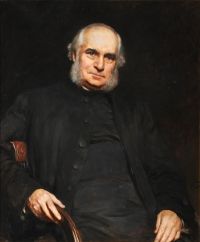
Portrait of John Cassell John Cassell,  Cassell's Illustrated History of England (1865)

“ The quiet, gentlemanly, and prudent conduct of Henry Tudor during his youth and exile had, no doubt, had much to do with the leaning of public opinion towards him. He appeared just the man to avoid farther quarrels, and to rule the realm in peace. And, probably, had he remained in the uneventful and circumscribed rank of a nobleman, he might have maintained the character of a good sort of man—very prudent, very prosperous, and therefore deemed very wise and good. ”
Source: Wikisource

Arthur D. Innes,  Ten Tudor Statesmen

“ Long before the close of his reign, the first Tudor had made himself a person of very considerable importance, whom none of the continental Powers dreamed of ignoring, and with whom they treated on something very like equal terms. This, however, was in no small degree a matter of personal prestige. Henry’s reputation for astuteness stood so high, not to speak of his credit for accumulated wealth, that the Courts of the continent paid England’s king an amount of respect which they would not have rendered to the power of England. ”
Source: Gutenberg

Get perspective with Kwize: daily news enlightened by great literature