Indian Mutiny

Definition and stakes

Charles Robert Leslie Fletcher,  A School History of England (1911)

“ The Indian Mutiny, 1857.In 1857 our carelessness and mismanagement of this vast Empire, together with the religious fear inspired among the Indians by the introduction of European inventions such as steam and railways, brought about the most serious danger that ever threatened British India, a mutiny in our Indian army. The instigator of the revolt was a man who claimed to be the representative of the old Mahratta rulers; the rebels took Delhi, the oldest capital city of India, and set up a shadow of an Emperor. They perpetrated terrible cruelties upon defenceless English women and children. ”
Source: Wikisource

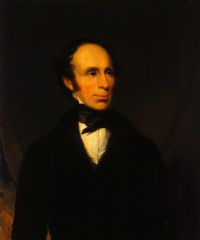
Portrait of George Dodd George Dodd,  The History of the Indian Revolt and of the Expeditions to Persia…

“ When the Indian troops mutinied to save their religion, and killed all infidels in several places, the wise men of England were of opinion that had the British authorities in India kept the following things in view, the mutiny would never have broken out: 1. They should have destroyed the race of the former kings and nobles. 2. They should have burnt all books of every other religion. 3. They should not have left even a biswa of ground to any of the native rulers. 4. They should have intermarried among the natives, so that after a short time all would have become one race. ”
Source: Gutenberg

Get perspective with Kwize: daily news enlightened by great literature