Iron Age

Definition and stakes

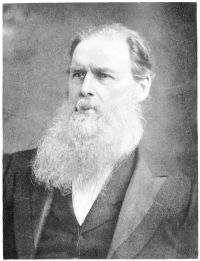
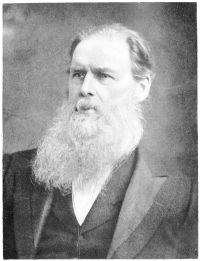
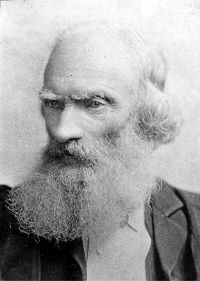
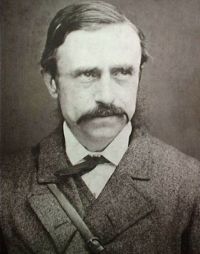
Portrait of William Boyd Dawkins William Boyd Dawkins,  Early Man in Britain and His Place in the Tertiary Period (1880)

“ The Prehistoric Iron age in Britain is the equivalent of the Neo-Celtic, or the late Celtic of Mr. Franks, of the first Iron age in France and Germany, and of the late Bronze age in Scandinavia.
The Introduction of Iron into Europe.
The application of iron to the purposes of daily life marks an important era in the civilisation of Europe. Iron appears in the Heroic age of Greece as a rare material, which was slowly replacing bronze for cutting implements; and in the Homeric legends the heroes are described as fighting with weapons of bronze and of iron.
”
Source: Wikisource

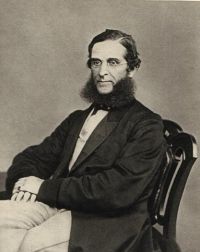
Horace Woollaston Monckton,  Berkshire

“ From this, beautiful weapons and other articles were made, and from the time of the discovery we date what is known as the Bronze Age. Doubtless the ores of iron had long been known, but how to smelt them was another matter. At length the method was discovered, and mankind was in possession of hard metal implements having great advantages for all purposes over those previously employed. Thus the Iron Age began, and the early inhabitants of Britain had arrived at this stage of civilisation when the Romans came to our land. ”
Source: Gutenberg

Willis Duff Piercy,  Great Inventions and Discoveries

“ Man passed from the Stone Age with its few, crude implements into the Bronze Age, and from this into the Iron Age, with each succeeding step increasing the number and efficiency of his tools. The race has lately passed into an age which might well be named the Age of Steel. The discovery or invention of this metal—for there is in it the nature of both invention and discovery—is sufficiently important to mark a distinct era in human progress. ”
Source: Gutenberg

Get perspective with Kwize: daily news enlightened by great literature