Ivan IV of Russia

Definition and stakes

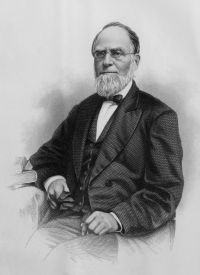
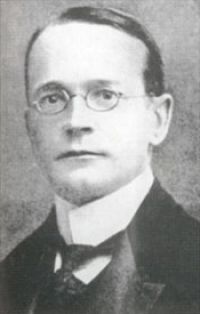
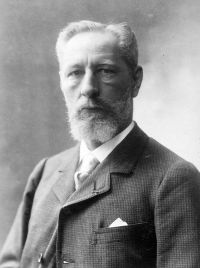
Portrait of Jeremiah Curtin Jeremiah Curtin The Mongols in Russia (1908)

If Ivan, as Grand Prince of all Russia, preferred his demands against Novgorod so insistently, we may understand very well that he was not tender with princes of small strength. Attendants and boyars of small princes went to serve him by preference, Moscow’s success was desired by all people who toiled and produced, because order and quietness came from it. No prince could rival Ivan in power and in resources. He surpassed not only each Russian prince separately, but he was stronger than any combination which might be made among them. For long years Ivan had worked at winning wealth and power.
Source: Gutenberg

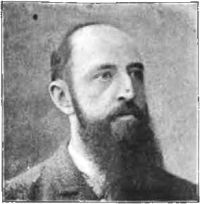
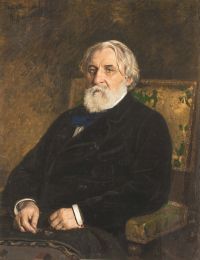
Portrait of John S. C. Abbott John S. C. Abbott The Empire of Russia: From the Remotest Periods to the Present Time

The result of this war, so humiliating to Russia, rendered Ivan very unpopular. Murmurs loud and deep were heard all over the empire. Many of the nobles threw themselves at the feet of the tzar and entreated him not to assent to so disgraceful a treaty, assuring him that the whole nation were ready at his call to rise and drive the invaders from the empire. Ivan was greatly incensed, and petulantly replied that if they were not satisfied with his administration they had better choose another sovereign.
Source: Gutenberg

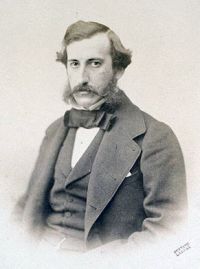
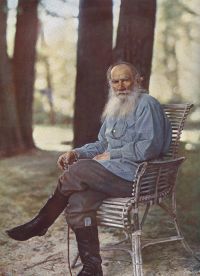
Portrait of Kazimierz Waliszewski Kazimierz Waliszewski Ivan the Terrible (1904)

But as he stood, with all his faults and vices, his errors and his crimes, his weaknesses and his failures, Ivan was popular, and his was a genuine popularity, which has stood the twofold test of time and of misfortune. This, too, is a result. In the cycle of the historic songs of Russia, the Tsar holds the place of honour, and is shown in by no means repulsive colours; he is open to every feeling of humanity—severe, but just, and even generous.
Source: Wikisource

Get perspective with Kwize: daily news enlightened by great literature