J.J. Thomson

Definition and stakes

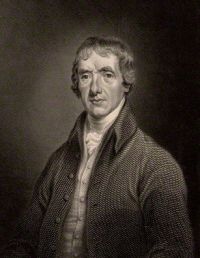
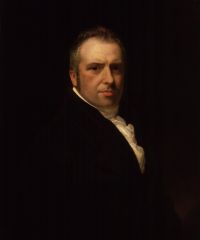
Portrait of William Hone William Hone,  The Every-day Book and Table Book…

“ I understand, sir, you knew Thomson long?
I became acquainted with him in the year 1726, when he published his poem of Winter. He lived opposite to me, in Lancaster-court, in the Strand. I went to the East Indies soon after, which caused a chasm in our acquaintance; but, on my return, our intimacy was strengthened, and continued to the hour of his death. I do not know any man, living or dead, I ever esteemed more highly, and he was attached to me. I had once a complaint of a consumptive nature, which confined me much at home, and he was so good as to come often from Kew-lane to sit with me.
”
Source: Gutenberg

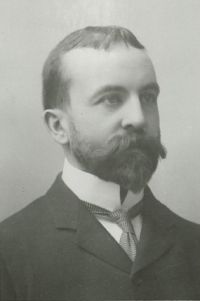
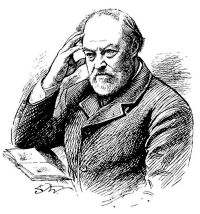
Portrait of Leslie Stephen Leslie Stephen,  Dictionary of National Biography… (1898)

“ In physique, intellect, and morale, Thomson was an ideal explorer. At first sight he did not impress the observer as peculiarly muscular or robust; but there was an almost boyish ease in his gait, and his powers of endurance were often without parallel. Seventy miles was no infrequent record at the end of a day's march. While his work was mainly that of a geographical pioneer, yet in his most rapid passages through a country he had such a genius for observing that his notebooks were filled with material that most men would have taken months to collect. ”
Source: Wikisource

William Minto,  Encyclopædia Britannica, Ninth Edition…

“ The fresh treatment of a simple theme, the warm poetical colouring of commonplace incidents, the freedom and irregularity of the plan, the boldness of the descriptions, the manly and sincere sentiment, the rough vigour of the verse, took by surprise a generation accustomed to witty satire and burlesque, refined diction, translations from the classics, themes valued in proportion to their remoteness from vulgar life. Thomson at once became famous, and, his naturally easy temper roused to full exertion, vigorously followed up his success with Summer and an Ode to the Memory of Sir Isaac Newton. ”
Source: Wikisource

Get perspective with Kwize: daily news enlightened by great literature