Jan Brueghel the Younger

Definition and stakes

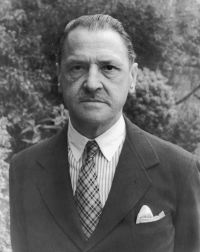
Portrait of W. Somerset Maugham W. Somerset Maugham The Moon and Sixpence

He seemed to see his fellow-creatures grotesquely, and he was angry with them because they were grotesque; life was a confusion of ridiculous, sordid happenings, a fit subject for laughter, and yet it made him sorrowful to laugh. Brueghel gave me the impression of a man striving to express in one medium feelings more appropriate to expression in another, and it may be that it was the obscure consciousness of this that excited Strickland's sympathy.
Source: Gutenberg

Baroness Emmuska Orczy Orczy The Laughing Cavalier: The Story of the Ancestor of the Scarlet Pimpernel

We have not been brought hither all the way to this God-forsaken and fog-ridden spot in order to stare on a tumble-down molens, or watch a solitary prisoner ere he hang.
Jan knows of course, and Jan is eager and alert, febrile in his movements, there is a glow in his hollow eyes. And Jan always looks like that when fighting is in the air, when he sniffs the scent of blood and hears the resonance of metal against metal. Jan knows of course. He has no thought of sleep, all night he wanders up and down the improvised camp.
Source: Gutenberg

1911 Encyclopædia Britannica (1911)

BROEKHUIZEN, JAN VAN [Janus Broukhusius] , (1649–1707) , Dutch classical scholar and poet, was born on the 20th of November 1649, at Amsterdam. Having lost his father when very young, he was placed with an apothecary, with whom he lived several years. Not liking this employment, he entered the army, and in 1674 was sent with his regiment to America, in the fleet under Admiral de Ruyter, but returned to Holland the same year. In 1678 he was sent to the garrison at Utrecht, where he contracted a friendship with the celebrated Graevius
Source: Wikisource

Get perspective with Kwize: daily news enlightened by great literature