Toilette

Definition and stakes

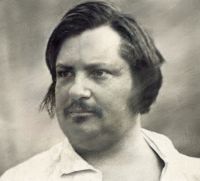
Portrait of Victor Hugo Victor Hugo Les Misérables (1862)

It was Fantine, but difficult to recognize. Nevertheless, on scrutinizing her attentively, it was evident that she still retained her beauty. A melancholy fold, which resembled the beginning of irony, wrinkled her right cheek. As for her toilette, that aerial toilette of muslin and ribbons, which seemed made of mirth, of folly, and of music, full of bells, and perfumed with lilacs had vanished like that beautiful and dazzling hoar-frost which is mistaken for diamonds in the sunlight; it melts and leaves the branch quite black.
Source: Gutenberg

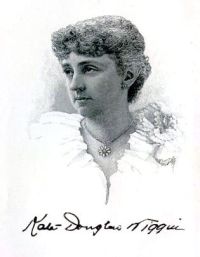
Portrait of Mary Anne Broome Mary Anne Broome The Bedroom and Boudoir (1878)

No garment that rustles or creaks, or makes its presence audible should ever cross the threshold, but the toilette of the nurse should always be exquisitely clean and neat, and yet as bright and pretty as possible. No sitting up at night, no anxiety or unhappiness should be an excuse for a dirty, dishevelled attendant in a sick-room. It is always possible to steal half an hour morning and evening to wash and change, and do one's hair neatly, and the gain and comfort to the patient as well as to the nurse, is incalculable.
Source: Wikisource

Get perspective with Kwize: daily news enlightened by great literature