Japanese yen

Definition and stakes

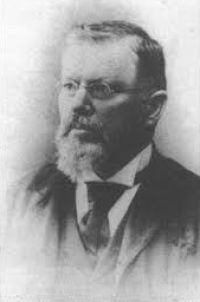
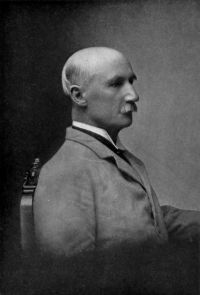
Portrait of Isabella L. Bird Isabella L. Bird,  Korea and her neighbors (1897)

“ The difficulty about money which then beset every traveller in the interior cost a good deal of anxious planning. The Japanese yen and its subdivisions were only current in Seoul and the treaty ports, there were no bankers or money-changers anywhere, and the only coin accepted was the cash, of which at that time 3,200 nominally went to the dollar. This coin is strung in hundreds on straw strings, and the counting of it, and the carrying of it, and the being without it are all a nuisance. It takes six men or one pony to carry 100 yen in cash, £10! ”
Source: Gutenberg

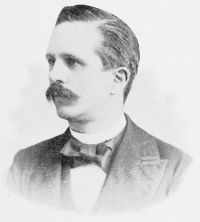
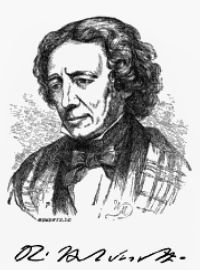
A. Hamilton,  Korea (1904)

“ The exchange rate of the Japanese yen is roughly two shillings and a half-penny, which gives the combined values of the total foreign trade as 2,873,827 pounds sterling. The trade of Chemulpo during this time was 11,131,060 yen, [22] being an increase of nearly one million yen upon the trade returns of the last three years. The exports were gold, rice, beans, timber and hides; the imports comprised American and Japanese goods for the most part, and a small and decreasing trade with England. The total foreign imports reached a value of 5,573,398 yen, and the total exports were 4,311,401 yen. ”
Source: Gutenberg

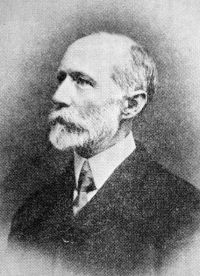
Portrait of Basil Hall Chamberlain Basil Hall Chamberlain,  Things Japanese (1905)

“ The industrial boom which followed the war with China in 1894-5, created a necessity for securing foreign capital to finance multitudinous undertakings which Japan herself had not the means to carry on unaided. Thereupon the Government, recognising the impossibility of borrowing in the Western money markets so long as Japan remained on a silver basis, passed a bill making the currency a gold one in the ratio of 321⁄3 to 1, or say 2/01⁄2 sterling per yen. ”
Source: Wikisource

Get perspective with Kwize: daily news enlightened by great literature