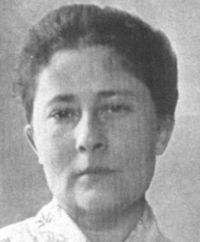
The Jataka tales form a collection of Buddhist birth stories that recount the previous lives of the Buddha, serving as moral and spiritual parables. These narratives, rooted in Pali literature, have been interpreted and retold by various authors, such as Ellen C. Babbitt, who emphasized their lasting appeal to children, and Erle Elsworth Clippinger, who noted their status as "the oldest, most complete, and most important collection of folklore.
" Scholars like J. F. Scheltema placed their cultural significance in context, while others focused on their function in conveying Buddhist teachings through allegory. The tales combine sincerity with subtle humor, reflecting both the spiritual depth and narrative flexibility of early Buddhist tradition. Their lasting legacy lies in their capacity to connect moral lessons with the universal human experience of storytelling.
 Ellen C. Babbitt,
More Jataka Tales
Ellen C. Babbitt,
More Jataka Tales