Jim Crow laws

Definition and stakes

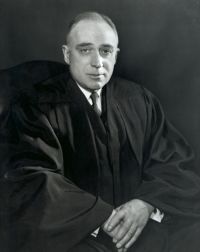
Thurgood Marshall,  Regents of University of California v…

“ In the wake of Plessy, many States expanded their Jim Crow laws, which had, up until that time, been limited primarily to passenger trains and schools. The segregation of the races was extended to residential areas, parks, hospitals, theaters, waiting rooms, and bathrooms. There were even statutes and ordinances which authorized separate phone booths for Negroes and whites, which required that textbooks used by children of one race be kept separate from those used by the other, and which required that Negro and white prostitutes be kept in separate districts. ”
Source: Wikisource

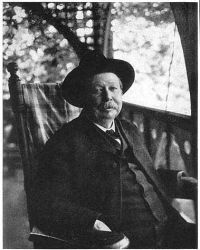
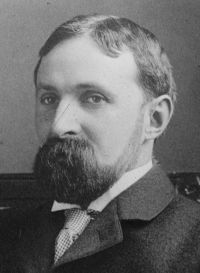
Portrait of Albert Bushnell Hart Albert Bushnell Hart,  The Southern South

“ A better remedy would be the systematic application of the existing laws of the state, with at least as much zeal as is given to the enforcement of the Jim Crow laws. In the last resort there is no remedy except such an awakening of public sentiment as will drive out of the ranks of respectable men and women those who practice these vices. Such a sentiment exists in the churches, the philanthropic societies, and an army of straightforward sensible men and women. ”
Source: Gutenberg

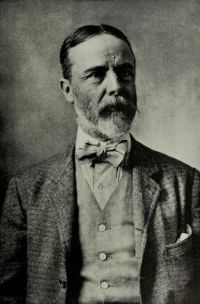
Following the Color Line

“ As for the Jim Crow laws in the South, many of them, at least, are at present necessary to avoid the danger of clashes between the ignorant of both race. They are the inevitable scaffolding of progress. As a matter of fact, the Negro has profited in one way by such laws. For the white man has thus driven the Negroes together, forced ability to find its outlet in racial leadership, and by his severity produced a spirit of self-reliance which would not otherwise have existed. Dr. Frissell of Hampton is always talking to his students of the “advantages of disadvantages.” ”
Source: Gutenberg

Get perspective with Kwize: daily news enlightened by great literature