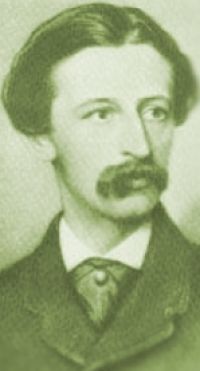
John Singleton Copley

Definition and stakes

Theodore Martin,  Dictionary of National Biography… (1887)

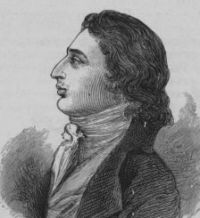
“ COPLEY, JOHN SINGLETON, the younger, Lord Lyndhurst (1772–1863) , lord chancellor, son of John Singleton Copley the elder [q. v.] , and of his wife, Mary Farnum Clarke, was born in Boston, U.S., on 21 May 1772. He was brought over by his mother to England in June 1775, along with two sisters. His father had come to Europe in 1774. His uncle, Mr. Clarke, having become obnoxious to his fellow-citizens from his attachment to the English government, had been compelled to fly for safety to Canada. ”
Source: Wikisource

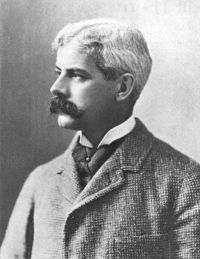
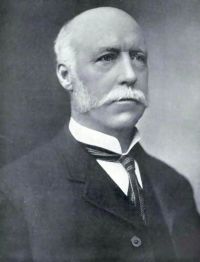
Portrait of James Henry Stark James Henry Stark,  The Loyalists of Massachusetts and the Other Side of the American Revolution

“ After nearly two years spent in the new United States, John Singleton Copley, the younger, returned to what had now become the settled home of the Copley family. He commenced a long course of study and systematic preparation for a life which was to become of the most distinguished, among the most famous men of the first half of the 19th century. Called to the bar in 1804 he, with no other influence than that of his own commanding talents, soon ranked among the leading men of his profession and that at a time when an unusually large number of great advocates were at the English bar. ”
Source: Gutenberg

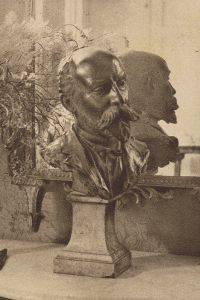
Portrait of James Henry Stark James Henry Stark,  The Loyalists of Massachusetts and the Other Side of the American Revolution

“ JOHN SINGLETON COPLEY AND HIS SON Lord Lyndhurst, Lord Chancellor of England.
John Singleton Copley of Boston was the son of Richard Copley of County Limerick, who married Mary Singleton, of Deer Park, County Clare. Her father was of a Lancashire house of that name which had settled in Ireland in 1661.
Richard and Mary came to Boston in 1736, and their son John was born July 3rd, 1737. The father went to the West Indies and died there about the time of the birth of his son.
”
Source: Gutenberg

Get perspective with Kwize: daily news enlightened by great literature