Kachina

Definition and stakes

Hattie Greene Lockett,  The Unwritten Literature of the Hopi

“ These Kachinas are colorfully represented in the painted and befeathered dolls, in masks and ceremonies, and in the main are considered beneficent and are accordingly popular. They intercede with the spirits of the other world in behalf of their Hopi earth-relatives.
Masked individuals represent their return to the land of the living from time to time in Kachina dances, beginning with the Soyaluna ceremony in December and ending with the Niman or Kachina Farewell ceremony in July.
”
Source: Gutenberg

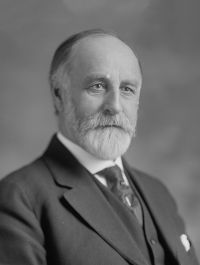
Portrait of Jesse Walter Fewkes Jesse Walter Fewkes,  Tusayan katcinas (1897)

“ It is only in those villages in which are preserved the wími of the Kachina móñwi that this celebration can occur, although, as we shall later see, abbreviated Katcinas are not so limited. It will probably be found that any abbreviated Katcina may be used for the public dance of the Nimán, but no abbreviated Katcina can have the secret ceremonials of the Nimán without becoming the same. When the Katcina chief, Íntiwa, sets up his altar it is but natural that any set of Katcinas may give the public dance, which, while a necessary accompaniment, is far from being prescribed as to kind. ”
Source: Gutenberg

Portrait of Jesse Walter Fewkes Jesse Walter Fewkes,  Tusayan katcinas (1897)

“ The Katcinas are said to be the offspring of an Earth 313goddess, [134] who figures under many names. Their father’s name on comparative grounds is supposed to be Táwa, the sun, or Túñwup, their elder brother.
A study of the group of Katcina ceremonials as compared with the Kóko brings out in prominence the conclusion that while some of them may be identical, as a rule there is considerable difference in the ritual of the Tusayan people and their nearest neighbor, the Zuñi.
”
Source: Gutenberg

Get perspective with Kwize: daily news enlightened by great literature