Khonds

Definition and stakes

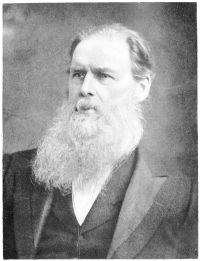
James Kennedy,  Life and Work in Benares and Kumaon…

“ I have often referred to the Khonds in the hills of Orissa, who, till the horrid practice was stopped by British interference, enticed children from the plains, fed them well, treated them kindly, and then on a fixed day murdered them, tore limb from limb, and scattered the bleeding fragments over the fields as an offering to the Land Goddess to secure an abundant harvest. I have asked, "Ought these people to walk in the ways of their fathers?" ”
Source: Gutenberg

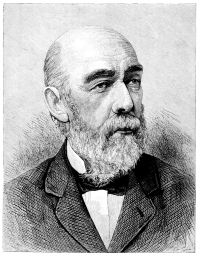
1911 Encyclopædia Britannica (1911)

“ The Khonds became notorious, on the British occupation of their district about 1835, from the prevalence and cruelty of the human sacrifices they practised. These “Meriah” sacrifices, as they were called, were intended to further the fertilization of the earth. It was incumbent on the Khonds to purchase their victims. Unless bought with a price they were not deemed acceptable. They seldom sacrificed Khonds, though in hard times Khonds were obliged to sell their children and they could then be purchased as Meriahs. Persons of any race, age or sex, were acceptable if purchased. ”
Source: Wikisource

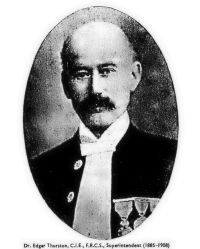
Portrait of Edgar Thurston Edgar Thurston,  Castes and Tribes of Southern India…

“ I noticed fine stalwart men from Udiagiri on the edge of the ghauts, together with Khonds from more civilised Baliguda, and Khonds from cold and breezy Daringabadi, cheerful in spite of the numbers of their relatives that had found a horrid tomb inside a man-eating tiger that since 1886 (together with another ally lately started) had carried off more than four hundred of their kith and kin. Distinguished amongst even that wild horde for savagery were the Khonds from the Kuttiya country, who live on tops of hills, and whose women are seldom, if ever, seen. ”
Source: Gutenberg

Get perspective with Kwize: daily news enlightened by great literature