King Duncan

Definition and stakes

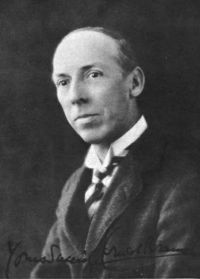
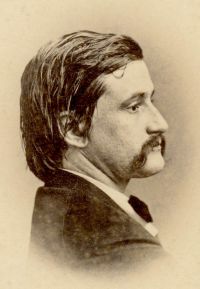
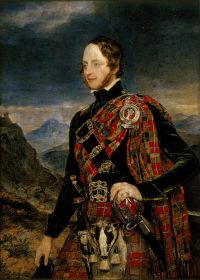
Portrait of Q. K. Philander Doesticks Q. K. Philander Doesticks,  Doesticks: What He Says

“ Old King Duncan was a young man who seemed to labor under the impression that to support his royal dignity it was only necessary to grin incessantly, and turn his toes in when he walked; his royal highness had on a high hat with a red feather, plaid pantaloons (being the only symptom of Scotch costume visible during the evening) , and an embroidered vest, through which, as he wore no coat, the sleeves of his blue shirt appeared in agreeable contrast; he sported a silver watch, four seal rings, an opera glass, and a gold-headed cane. ”
Source: Gutenberg

Courage, True Hearts: Sailing in Search of Fortune

“ One of the savages was held aloft in a kind of sedan-chair, and was evidently the chief or king. He was the most hideous-looking savage it is possible to imagine; extremely corpulent, with a cruel, cut-throat expression of face; small deep-set eyes, and cheeks covered with parallel scars about an inch long. His hair in front hung straight down in tiny ringlets over a retreating forehead.
One should never show fear before savages. Duncan knew this, and walking boldly up to the huge travelling throne he saluted him in an off-hand way, and addressed him in English.
”
Source: Gutenberg

Thomas Andrew Archer,  Dictionary of National Biography… (1888)

“ Duncan succeeded in expatriating his uncle and establishing himself in his stead; but the young king found his followers unpopular with the very Scots who had made him king. These rose up in a body, cut off the strangers almost to a man, and only consented to retain Duncan as their king on condition of his taking an oath to introduce no more English or Normans into the country. ”
Source: Wikisource

Get perspective with Kwize: daily news enlightened by great literature