King Henry IV of France

Definition and stakes

The Great Events by Famous Historians…

France also had learned a stronger sense of nationality from her hero-king, Henry IV. Always, through all his religious wars, he had insisted that he was king of all Frenchmen, both Catholic and Protestant, and would be a father to them all. He withdrew his Protestant army from besieging Paris when the surrender of the city seemed certain, abandoned his triumph "lest Frenchmen starve." Englishmen, too, in the age of Elizabeth, had learned to regard themselves not only as different from [Pg xv] but as far superior to men of other races.
Source: Gutenberg

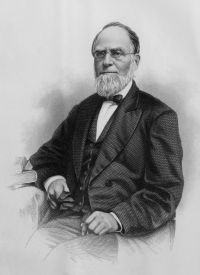
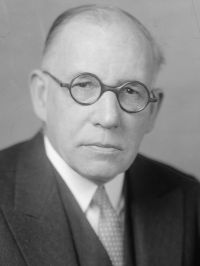
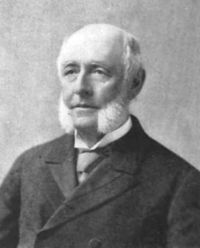
Portrait of Alfred John Church Alfred John Church Henry the Fifth

Henry himself commanded in the centre, a conspicuous object to all eyes. He was not one of the kings who went into a battle disguised. There was doubtless a personal taste for splendour and ornament shown in his dress and accoutrements; but he was also impressed with the belief that a king must be, and show himself to be, the foremost fighter as well as the leader of his army. He wore a surcoat which with its gay blazonry set forth his claim to the double throne, showing as it did the lilies of France and the leopards of England. His helmet was circled with a rich crown of gold.
Source: Gutenberg

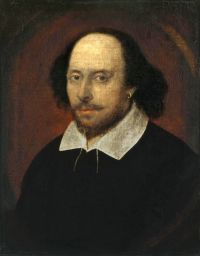
Portrait of William Shakespeare William Shakespeare Henry VI, Part 1 (1623)

EXETER It grieves his highness: good my lords, be friends.
KING HENRY VI Come hither, you that would be combatants:
Henceforth I charge you, as you love our favour,
Quite to forget this quarrel and the cause.
And you, my lords, remember where we are,
In France, amongst a fickle wavering nation:
If they perceive dissension in our looks
And that within ourselves we disagree,
How will their grudging stomachs be provoked
To wilful disobedience, and rebel!
Source: http://shakespeare.mit.edu/1henryvi/full.html

Get perspective with Kwize: daily news enlightened by great literature