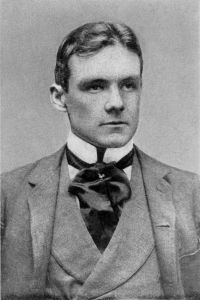
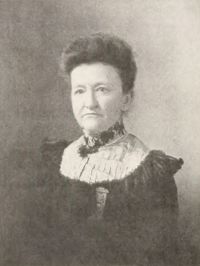
The literary concept of "Kinney" emerges as a multifaceted figure across 19th- and early 20th-century American narratives, often embodying traits of perseverance, moral complexity, and social flexibility. Authors such as Richard Harding Davis portray him as a resourceful, if imperfect, protagonist navigating crises—whether rescuing strangers or confronting impostor syndrome—while Helen Hunt Jackson frames him as a man constrained by self-doubt and modesty.
William Dean Howells situates Kinney in contrasting environments, from academic admiration to domestic ease, emphasizing his flexibility. Meanwhile, the Oregon Historical Society depicts him as a rugged individualist, unbound by conventions. These varied portrayals collectively underscore Kinney as a symbol of the era’s evolving social dynamics, where personal initiative and ethical nuance intertwine.
 Helen Hunt Jackson,
Saxe Holm's Stories
Helen Hunt Jackson,
Saxe Holm's Stories