Knight of the Shire

Definition and stakes

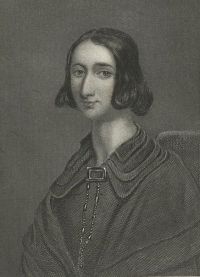
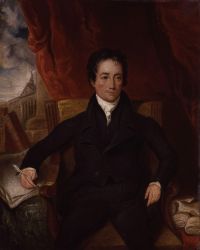
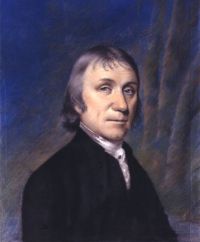
Portrait of Joseph Priestley Joseph Priestley,  Historical Account of the Navigable Rivers… (1831)

“ For putting the powers of the act into execution, one hundred and thirteen commissioners, together with the bailiff and approved men of Andover, were appointed, whose qualification was a clear annual rental of £100, or personal property to the amount of £3,000, unless he be heir apparent to a peer, or be eligible to be elected as a Knight of the Shire. ”
Source: Wikisource

Various,  Blackwood's Edinburgh Magazine…

“ No person should be eligible to represent a county unless previously adorned with the honour either of knighthood or of the baronetage, or unless the younger son of a peer of the realm; and indeed the attaching of titles of nobility to the possession of estates of a certain value and fixity of tenure, and the annexing of baronetcies to similar properties, would put all the principal country gentlemen in a position suited to the duties of a knight of the shire. ”
Source: Gutenberg

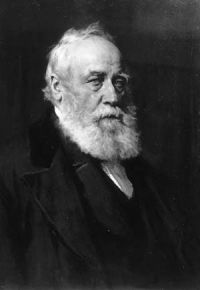
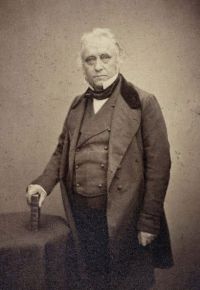
Portrait of Thomas Babington Macaulay Thomas Babington Macaulay,  The History of England from the Accession of James II…

“ The knight of the shire was the connecting link between the baron and the shopkeeper. On the same benches on which sate the goldsmiths, drapers, and grocers, who had been returned to parliament by the commercial towns, sate also members who, in any other country, would have been called noblemen, hereditary lords of manors, entitled to hold courts and to bear coat armour, and able to trace back an honourable descent through many generations. ”
Source: Wikisource

Get perspective with Kwize: daily news enlightened by great literature