Kota people

Definition and stakes

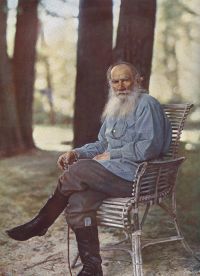
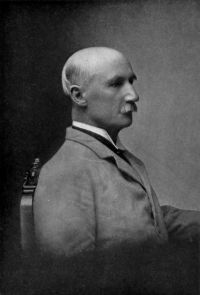
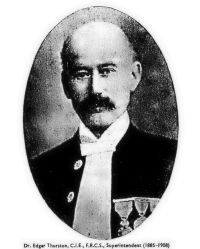
Portrait of Edgar Thurston Edgar Thurston,  Castes and Tribes of Southern India (1909)

“ The Kotas speak a mixture of Tamil and Kanarese, and speak Tamil without the foreign accent which is noticeable in the case of the Badagas and Todas. According to orthodox Kota views, a settlement should consist of three streets or kēris, in one of which the Terkāran or Dēvādi, and in the other two the Munthakannāns or Pūjāris live. At Kotagiri the three streets are named Kīlkēri, Nadukēri, and Mēlkēri, or lower, central, and upper street. People belonging to the same kēri may not intermarry, as they are supposed to belong to the same family, and intermarriage would be distasteful. ”
Source: Wikisource

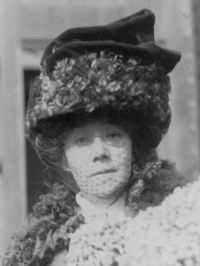
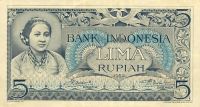
Portrait of Raden Adjeng Kartini Raden Adjeng Kartini,  Letters of a Javanese princess… (1921)

“ I have noted one thing with great pleasure; among the apprentices, there is a boy from the kota, and consequently not a child of Blakang-Goenoeng, the wood-carving village. We have to seek out other apprentices, but this boy from the kota came of himself and asked us to take him.
The little ones here will carry on our work when we are gone. We can lead them from a distance so long as they need leading. ··········
Some one complained to us about ingratitude, among our inferiors. We told him that if he were distressed at the ingratitude of the people, it was his own fault.
”
Source: Wikisource

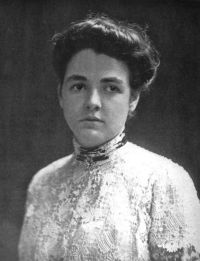
Portrait of Margaret Horton Potter Margaret Horton Potter,  The flame-gatherers (1904)

“ Just then the slave came back with custard-apples, early mangoes, and pomegranates in a basket. Kota took them from her, proffered the dish to her visitor, who accepted one of the mangoes, and then, while both began to eat, Kota said slowly: “I am not happy, my sister. My mind is troubled. I am filled with melancholy and foreboding concerning the child. I see many strange visions in my sleep. The gods refuse me peace.”
“Art thou thus, Kota? That is not right. Yes, I can see thou art not well. Let Gokarna offer special sacrifice for thee.”
”
Source: Gutenberg

Get perspective with Kwize: daily news enlightened by great literature