Margaret of Valois

Definition and stakes

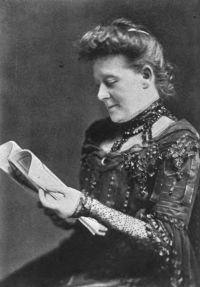
King of Navarre consort of Henry II Queen Marguerite The Tales of the Heptameron, Vol… (1894)

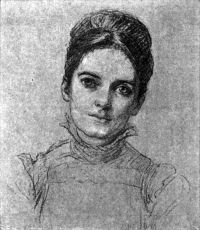
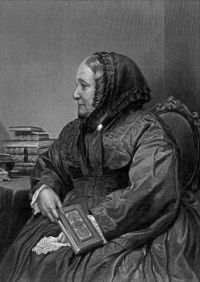
But the face is one which can be imagined as much more beautiful than it seems in the not very attractive portraiture of the time, and her actual attractions are attested by her contemporaries with something more than the homage-to-order which literary men have never failed to pay to ladies who are patronesses of letters. Besides Margaret of Valois, she is known as Margaret of Angoulême, from her place of birth and her father’s title
Source: Gutenberg

King of Navarre consort of Henry II Queen Marguerite The Heptameron of Margaret, Queen of Navarre

Few ladies have been known in history by more and more confusing titles than the author of the Heptameron, the confusion arising partly from the fact that she had a niece and a great-niece of the same charming Christian name as herself. The second Margaret de Valois (the most appropriate name of all three, as it was theirs by family right) was the daughter of Francis I., the patroness of Ronsard, and, somewhat late in life, the wife of the Duke of Savoy—a marriage which, as the bride carried with her a dowry of territory, was not popular, and brought some coarse jests on her.
Source: Gutenberg

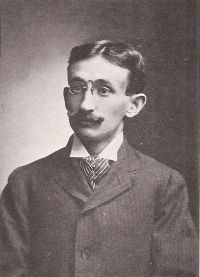
Portrait of Frederic Rowland Marvin Frederic Rowland Marvin The Last Words (Real and Traditional…

Margaret (of Valois, Queen of Navarre and sister of Francis I., of France) , 1492-1549. "Farewell, and remember me." Some say, upon what authority I do not know, that the queen's last words were: "I never departed from the true church."
182 She inclined to the Protestant faith, but Roman Catholic writers assert that before her death she acknowledged her religious errors, and De Remond even goes so far as to imply that she denied on her death-bed having ever swerved from the standard of Roman authority.—Memoir of Margaret, attached to the English translation of her Heptameron.
Source: Gutenberg

Get perspective with Kwize: daily news enlightened by great literature