Mary of Hungary

Definition and stakes

Ellen C. Clayton Female Warriors, Vol. 1 (of 2)

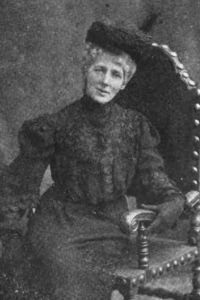
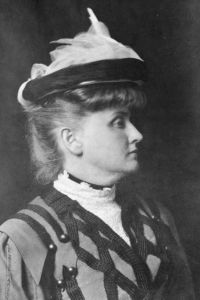
Mary of Hungary, wife of the unfortunate Louis II., who was slain in the battle of Mohacz, was celebrated throughout continental Europe for her military prowess and her love of field-sports. From the latter she acquired the soubriquet of Diana, while from her habit of mixing with the soldiers she was styled (like the Empress Victoria) "Mother of the Camp." She was the daughter of Philip I. of Spain, and handsome even for a Spanish princess, majestic in her carriage, yet affable and charming in her manners.
Source: Gutenberg

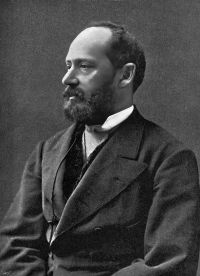
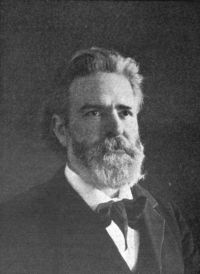
Portrait of Ármin Vámbéry Ármin Vámbéry The story of Hungary

Thus, as early as 1523, a law was promulgated declaring Lutherans and their protectors (clearly indicating by the latter term the German courtiers of the king) foes to the Holy Virgin Mary, the patroness of Hungary, and as such, punishable with death and confiscation of their property. The persecutions against the adherents of the new faith began immediately. Luther’s works and writings, which had been largely imported into Hungary, were seized and consigned to the flames. The Reformation, nevertheless, steadily gained ground.
Source: Gutenberg

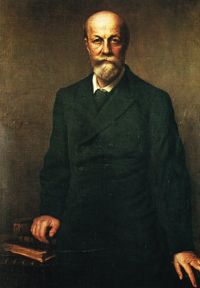
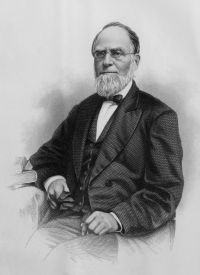
Portrait of Ármin Vámbéry Ármin Vámbéry The story of Hungary

The Hungarian nation was eager to testify their gratitude to their great king by a concession made to his dynasty—notwithstanding its foreign origin,—which they had refused to make to the glorious dynasty of the native Árpád family. After the king’s death his daughter Mary was proclaimed queen and the crown conferred upon her. But the crown brought little joy to Mary, for the festivities of the coronation were hardly finished when she was menaced by dangers coming from two sides. The Poles hated Sigismund, to whom Mary was affianced, and insisted also that their ruler should live amongst them.
Source: Gutenberg

Get perspective with Kwize: daily news enlightened by great literature