The concept of Fiume encompasses both a geographical entity and a symbolic motif in literature, reflecting the interplay between natural landscapes and human perception. Authors such as E. Alexander Powell highlight its strategic maritime importance, emphasizing its sheltered harbors and deep waters, while John Murray’s geological observations underscore the hydrological processes that shape such regions.
Julia Ellen Rogers illustrates the river’s role as a transformative force, eroding and depositing materials to mold the terrain, a theme echoed in Lucretius’ poetic reflection on rivers’ struggle against natural barriers. These varied perspectives converge to portray Fiume as a dynamic nexus of geography, history, and human endeavor, its identity shaped by both physical flows and cultural narratives.
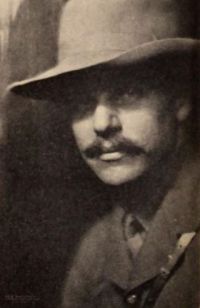 E. Alexander Powell,
The New Frontiers of Freedom from the Alps to the Ægean
E. Alexander Powell,
The New Frontiers of Freedom from the Alps to the Ægean