Hydrosphere

Definition and stakes

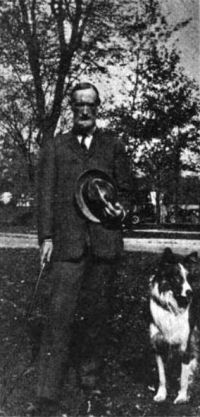
Portrait of Thomas C. Chamberlin Thomas C. Chamberlin,  Geology (1906)

“ A part of the water which falls as rain, and a part of that which results from the melting of snow and ice, sinks into the soil and into the rock below, becoming ground water. It is this ground water which especially justifies the name hydrosphere, often applied to the waters of the earth, for it literally forms a spherical layer in the outer portion of the solid part of the earth. ”
Source: Gutenberg

Marion I. Newbigin,  Modern Geography

“ Both chemically and physically the fluid hydrosphere differs markedly from the solid lithosphere, and it is, above all, the physical differences which are of supreme importance to the geographer. Because of them sea and land respond differently to the stream of solar energy which pours down upon our globe, and it is this different response which is the predominating factor in the production of the different climates, which again determine in its main outlines the distribution of living organisms. ”
Source: Gutenberg

Get perspective with Kwize: daily news enlightened by great literature