Milo of Croton

Definition and stakes

H. A. Guerber,  The Story of the Greeks

“ Near the statue of Milo of Croton stood that of The-ag ́e-nes, another noted athlete, who lived many years after Milo. He too had defeated every rival. He was the winner of many prizes, and all envied him his strength and renown.
One of the men in particular, whom he had defeated in the games, was jealous of him, and of the honors which he had won. This man, instead of trying to overcome these wicked feelings, used to steal daily into the temple to view his rival's statue, and mutter threats and curses against it.
”
Source: Gutenberg

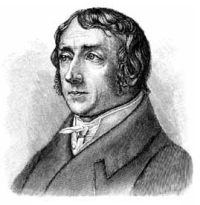
Portrait of Thomas Bulfinch Thomas Bulfinch,  Bulfinch's Mythology: The Age of Fable

“ A war arose between the two cities, and Sybaris was conquered and destroyed. Milo, the celebrated athlete, led the army of Crotona. Many stories are told of Milo's vast strength, such as his carrying a heifer of four years old upon his shoulders, and afterwards eating the whole of it in a single day. The mode of his death is thus related: As he was passing through a forest he saw the trunk of a tree which had been partially split open by wood-cutters, and attempted to rend it further ”
Source: Gutenberg

Portrait of George Gissing George Gissing,  By the Ionian Sea: Notes of a Ramble in Southern Italy

“ Whereto replies the much-offended Malvolio: "That the soul of our grandam might haply inhabit a bird." He of the crossed garters disdains such fantasy. "I think nobly of the soul, and no way approve his opinion."
I took my ticket for Cotrone, which once was Croton. At Croton, Pythagoras enjoyed his moment's triumph, ruling men to their own behoof. At Croton grew up a school of medicine which glorified Magna Graecia. "Healthier than Croton," said a proverb; for the spot was unsurpassed in salubrity; beauty and strength distinguished its inhabitants, who boasted their champion Milon.
”
Source: Gutenberg

Get perspective with Kwize: daily news enlightened by great literature