Mysia

Definition and stakes

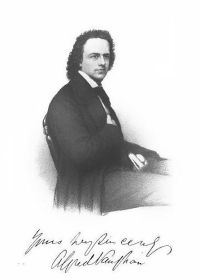
James Strong,  Strong's Exhaustive Concordance of the Bible… (1890)

“ Mysia.
3365 μυστήριον (moos-tay'-ree-on) : from a derivative of muo (to shut the mouth) ; a secret or "mystery" (through the idea of silence imposed by initiation into religious rites) : mystery.
3366 μυωπάζω (moo-ope-ad'-zo) : from a compound of the base of μυστήριον and ops (the face; from ὀπτάνομαι) ; to shut the eyes, i.e. blink (see indistinctly) : cannot see far off.
”
Source: Wikisource

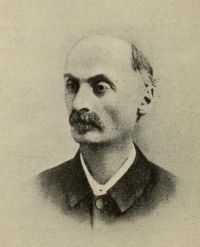
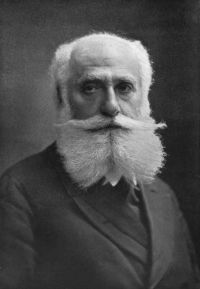
Portrait of Charles Oman Charles Oman,  The Byzantine Empire

“ At last the Crusaders sat down to divide up their conquests. They elected Baldwin of Flanders Emperor of the East, and handed over to him the ruined city of Constantinople, half of it devoured by the flames of the conflagrations that attended the two sieges, and all of it plundered from cellar to attic. Four-fifths of the population had fled, and no one had remained save beggars who had nothing to save by flight. With the capital Baldwin was given Thrace and the Asiatic provinces—Bithynia, Mysia, and Lydia, all of which had still to be conquered. ”
Source: Gutenberg

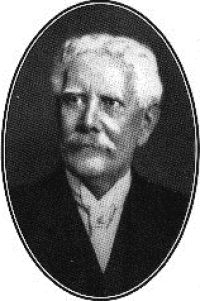
Portrait of Evelyn Underhill Evelyn Underhill,  Mysticism: A Study in Nature and Development of Spiritual Consciousness (1911)

“ Both the art and the disease have to do with bodily movements. So too both mysticism and hysteria have to do with the domination of consciousness by one fixed and intense idea or intuition, which rules the life and is able to produce amazing physical and psychical results. In the hysteric patient this idea is often trivial or morbid [92] but has become—thanks to the self’s unstable mental condition—an obsession. In the mystic the dominant idea is a great one: so great in fact, that when it is received in its completeness by the human consciousness, almost of necessity it ousts all else. ”
Source: Wikisource

Get perspective with Kwize: daily news enlightened by great literature