Naram-Sin

Definition and stakes

L. W. King,  A History of Sumer and Akkad

“ His rule over the four quarters of the world may have led Narâm-Sin to add to his titles, and the growth of their power probably increased the tendency of these early monarchs to assume the attributes and privileges of gods. Of the kings of Kish we have evidence that some were deified, and the divine determinative is set before the name of Shar-Gani-sharri in two inscriptions that have come down to us. In nearly every text of Narâm-Sin the determinative for deity precedes his name, and in some of the contemporary seal-inscriptions he is even termed "the god of Akkad." ”

Source: Gutenberg

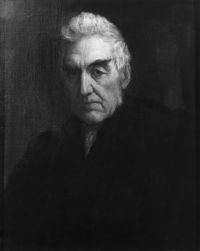
Portrait of Archibald Henry Sayce Archibald Henry Sayce,  Encyclopædia Britannica, Ninth Edition (1878)

“ Naram-Sin and a queen had been the last representatives of a dynasty which had attained a high degree of glory both in arms and in literature. Naram-Sin and his father Sargon had not only subdued the rival princes of Babylonia, but had successfully invaded Syria, Palestine, and even, as it would seem, Egypt. At Agane, a suburb of Sippara, Sargon had founded a library, especially famous for its works on astrology and astronomy, copies of which were made in later times for the libraries of Assyria. ”
Source: Wikisource

Archibald H. Sayce, Leonard W. King and Morris Jastrow,  1911 Encyclopædia Britannica (1910)

“ Sargon’s son and successor, Naram-Sin, followed up the successes of his father by marching into Magan, whose king he took captive. He assumed the imperial title of “king of the four zones,” and, like his father, was addressed as a god. He is even called “the god of Agadē” Naram-Sin. (Akkad) , reminding us of the divine honours claimed by the Pharaohs of Egypt, whose territory now adjoined that of Babylonia. A finely executed bas-relief, representing Naram-Sin, and bearing a striking resemblance to early Egyptian art in many of its features, has been found at Diarbekr. ”
Source: Wikisource

Get perspective with Kwize: daily news enlightened by great literature