Nawab of Bengal

Definition and stakes

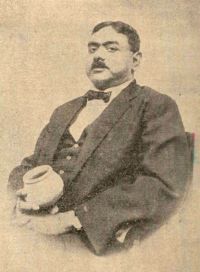
Francis Bradley Bradley-Birt Twelve Men of Bengal in the Nineteenth Century (1910)

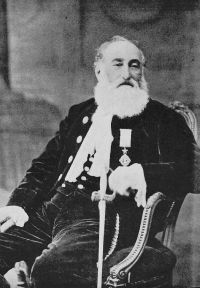
Throughout the nineteenth century there was no name more revered in Eastern Bengal than that of Nawab Abdul Ghani. For over fifty years he was the leading Muhammadan in Dacca and the eastern provinces, occupying a unique position there among Europeans and his own fellow-countrymen alike. From a position of comparative insignificance he raised himself and his family to one of commanding eminence, eliciting universal admiration and respect. Loyal, generous and public-spirited he won the affection of all who came in contact with him.
Source: Wikisource

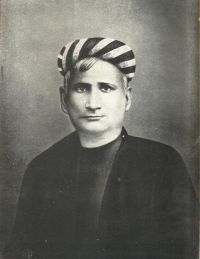
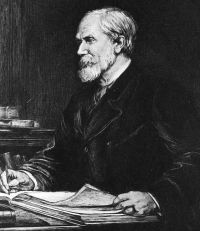
Portrait of Bankim Chandra Chattopadhyay Bankim Chandra Chattopadhyay Chandra Shekhar (1904)

The Nawab had taken care of the thorn instead of the rose—Kulsam had truly said—"The ruler of Bengal is a fool."
The Nawab then said to the noblemen of his court, "Listen to me, it is beyond my power to retain this kingdom any more. The slave girl has truly said, that the ruler of Bengal is a fool. If you can save this kingdom from ruin, good and well—I shall take leave of you all and quit this place; I shall either take shelter within the female quarters in the castle at Ruhidas, or lead the life of a mendicant."
Source: Wikisource

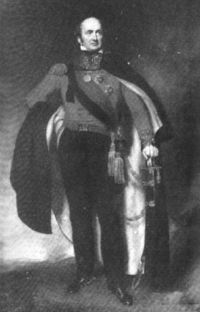
W. W. W. Humbley Journal of a Cavalry Officer; Including the Memorable Sikh Campaign of 1845-1846

Moorshedabad is still the residence of the Nawab of Bengal, who inhabits the Palace which I have described above. The present Nawab, Cowar Krishnath Roy, has been instructed in the English language. He is about thirty years of age; an English education has greatly improved him, and though he has not altogether [Pg 433] divested himself of his Mahomedan habits, still those who are personally acquainted with him, inform me, that his manners are those of a well-bred European, and that he is intelligent, and very fond of reading.
Source: Gutenberg

Get perspective with Kwize: daily news enlightened by great literature