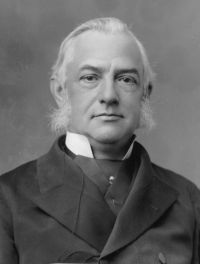
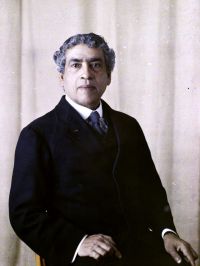
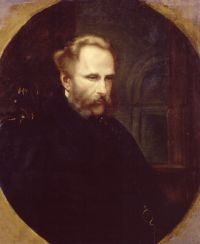
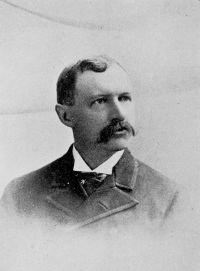
The Near East, a Eurocentric term covering parts of Western Asia and the eastern Mediterranean, refers to a region marked by deep historical and cultural intersections. Scholars such as William Ambrose Spicer underscored its geopolitical importance, while Edith Wharton focused on its striking human contrasts.
Lawrence Dundas juxtaposed its dry landscapes with the fertility of East Asia, and William Le Queux praised its ancient civilizations. These viewpoints highlight the Near East’s function as a meeting point of empires, faiths, and conflicts, where the interaction of geography and history continues to influence global stories. Its heritage stands as evidence of the region’s lasting intricacy and strategic importance.
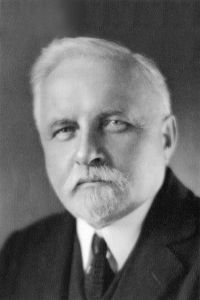 William Ambrose Spicer,
Our Day
William Ambrose Spicer,
Our Day